


FairArt Guarantee
All artworks are covered. Get the item you ordered or your money back.
Before any work ships, our specialists verify its signature, numbering, edition details, provenance and any certificates. If anything doesn’t match, the sale is cancelled and you’re refunded in full under the FairArt Guarantee.
Whoever you buy from, you get the same checks, the same protection and the same team looking after you until the work is with you.
Every work is packed to our standards and sent by tracked express courier, fully insured in transit. You’ll see the exact shipping cost before you buy or make an offer.
Dispatch times vary depending on the nature of the work and how it needs to be packed. Once it’s on its way, you can follow every step with tracking updates by email and SMS, plus time-stamped proof of delivery.
Every work arrives as new, in the condition it was in when the artist or gallery first released it.
If anything isn’t as described when it arrives, let us know within 3 working days. We’ll arrange the return at the seller’s cost and refund you in full.
Have a question?
Have a question?
Additional Information
There are 2 ways to buy on FairArt - Buy Now or Make Offer.
There are 2 ways to Buy on FairArt
Learn more on our Buyer Page
2. Make Offer
Or, you can instead name your price by placing an offer.
If you hold the Highest Offer when the seller decides to Sell Now, your order will be confirmed automatically.
You can update or delete your offer anytime, free of charge, until it’s accepted.
There are 2 ways to sell on FairArt - Sell Now or List.
There are 2 ways to Sell on FairArt
Learn more on our Seller Page
1. Sell Now
If an interested collector has placed an offer on this work, you can sell it instantly at the ‘Sell Now’ price.
2. List
You can List this work for sale at a price of your choice.
If you hold the Lowest Listing (currently: £2,000) when a buyer decides to Buy Now, the sale will automatically be assigned to you.
You can update or delete your listing anytime, free of charge.
Artwork Specifications
2023
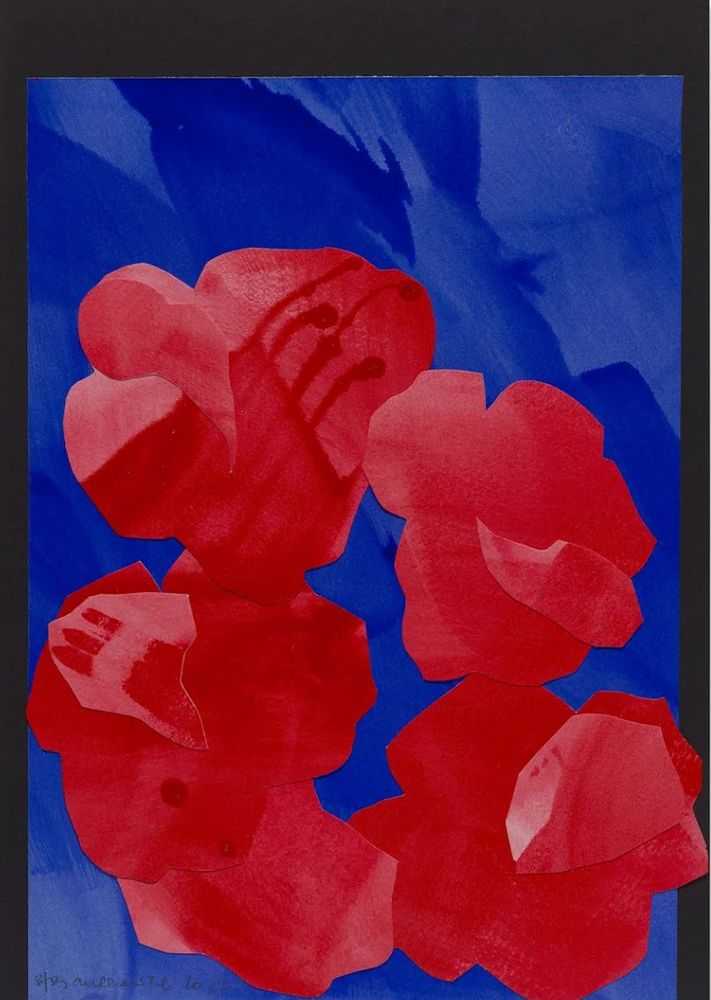
Print - Diasec-mounted Giclée print on aluminium composite panel
100
$950
£
€
$
Heni
Specifications
2023
Print - Diasec-mounted Giclée print on aluminium composite panel
100
$950
£
€
$
Heni
About The Artist
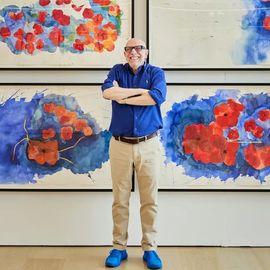
British, b. 1953
Throughout his career, architectural artist Brian Clarke has endeavoured to fully integrate his medium within architecture. Widely considered the most important artist working in stained glass today, he has revolutionised not only technologies but also philosophical conceptions of what can be achieved through this medium. Equally important is his pictorial practice, explored in canvas paintings, collages, three-dimensional sculptures and leadworks.
Clarke was born in Oldham, Lancashire on 2 July 1953 into a working class family. His father, Edward, was a miner, and his mother, Lilian, worked at the local cotton mill. His paternal grandmother was a Spiritualist and a medium, a peculiar presence that made him more receptive to art and poetry, as well as the concept that the past remains an alive presence within the present.
Clarke’s first real encounter with a kind of art that was truly grand and elevating occurred in primary school, when he went on a trip to the cathedral city of York. As a young boy, standing in the nave of York Minster, he was overwhelmed by the power of stained glass, a multi-sensory experience that was so intense it made him faint.