Joseph Cornell
 American
|

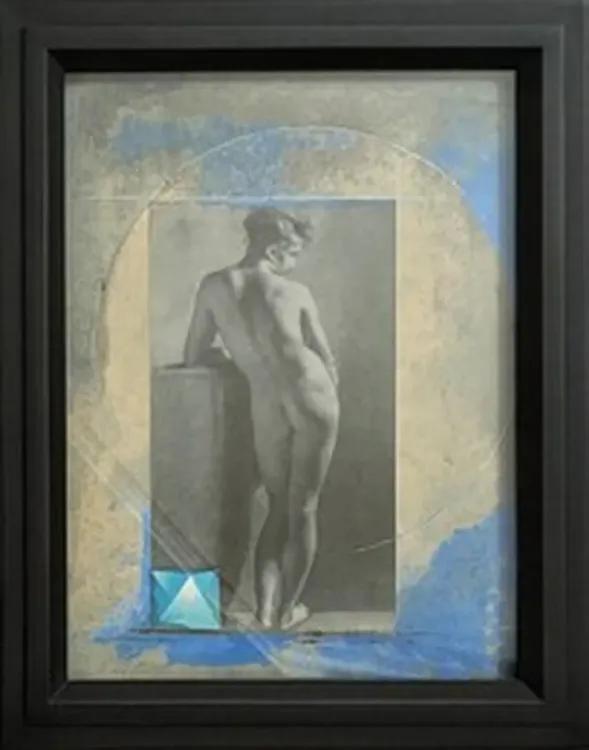
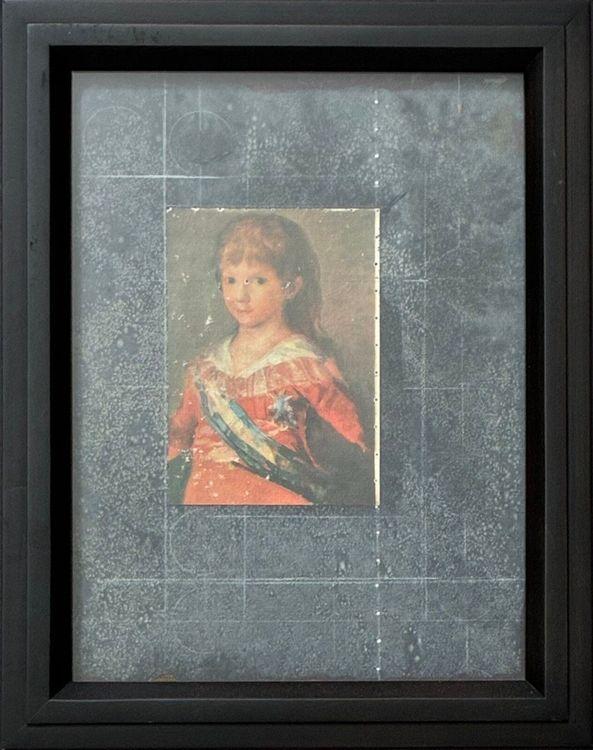
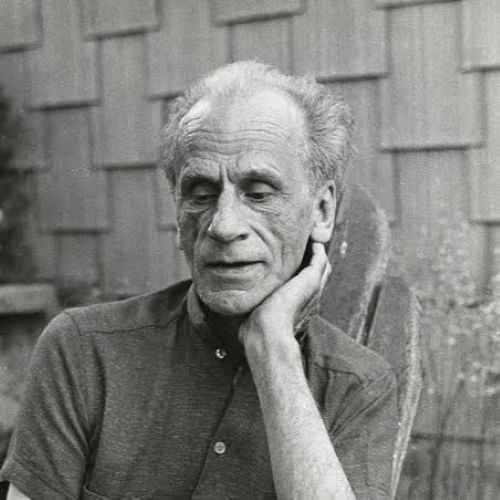
Joseph Cornell was an influential American artist who helped pioneer assemblage through his distinctive multimedia shadow boxes. Combining found objects, collage, painted surfaces, and carefully constructed compartments, Cornell created poetic environments shaped by memory, imagination, and personal association.A devoted collector of everyday ephemera, he incorporated materials such as maps, photographs, marbles, toys, seashells, and fragments of printed matter into his work. Removed from their original contexts, these objects became part of mysterious visual narratives that explored themes of childhood, travel, astronomy, literature, nostalgia, and longing.Cinema was another important influence on Cornell’s practice. In addition to referencing film stars and theatrical imagery in his boxes and collages, he created experimental films of his own. His best-known film, Rose Hobart, made around 1936, re-edited footage from an existing Hollywood production into a dreamlike cinematic collage.Cornell’s work had a lasting impact on assemblage, Surrealism, Pop Art, and later installation practices. His artworks have achieved multimillion-dollar prices on the secondary market and are held in major international collections, including the Museum of Modern Art, the Solomon R. Guggenheim Museum, the Smithsonian American Art Museum, the Art Institute of Chicago, the Whitney Museum of American Art, Tate, the Museo Reina Sofía, and the Los Angeles County Museum of Art.