
HENI vs Galleries for Hirst: Editions, Value, Proof
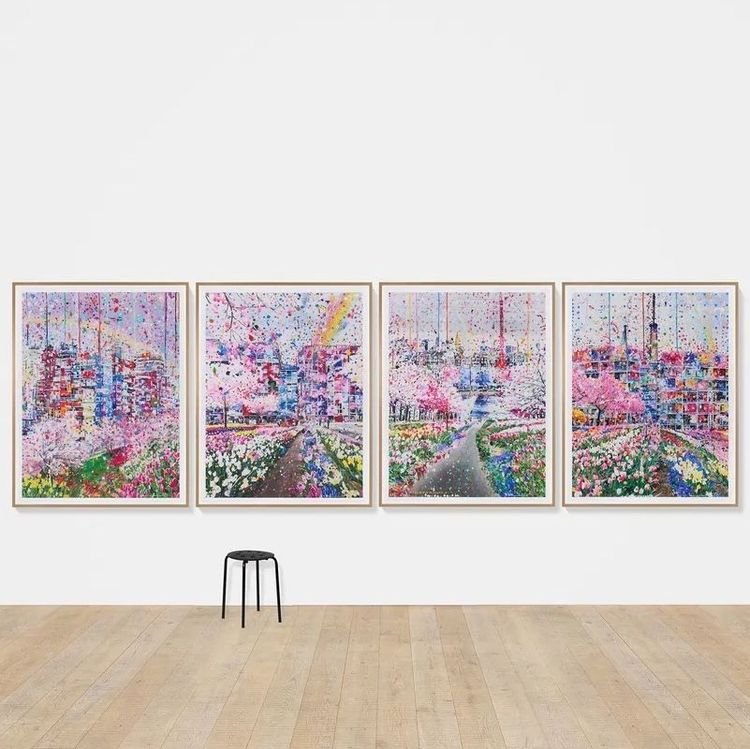
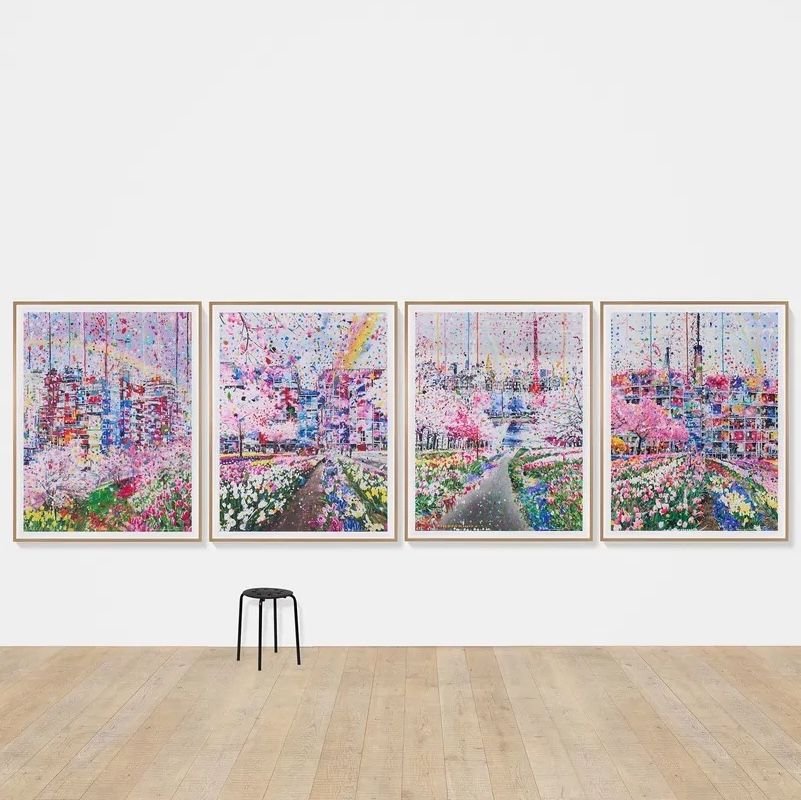
Damien Hirst’s market includes works released directly by HENI and those sourced through galleries on the primary or secondary market. Buyers often ask whether a HENI edition or a gallery-sourced edition offers better value, stronger documentation, or superior liquidity. This guide shows how to compare them side by side so you can move from interest to a confident purchase in minutes.
FairArt Editorial distills how serious collectors evaluate channel, price formation, authenticity, and condition. Where prices are opaque or scattered across venues, we outline a comps method so you can triangulate confidently. For deeper comparables or to formalize due diligence, see our articles at FairArt Editorial.
What do we mean by HENI vs galleries for Hirst?
HENI is a publisher and release platform that collaborates directly with Damien Hirst on editioned works. Releases may occur as time-limited windows, lotteries, or scheduled drops with clearly defined edition logic. Documentation commonly includes release announcements and publisher details aligned to the edition specifications.
Galleries function as curators, primary-market vendors, and secondary-market dealers. A gallery-sourced Hirst print might be a new release allocated to clients or a consigned older edition with prior ownership and framing history. Documentation varies by house and should be assessed on its own merits.
The core comparison is not value judgment but process: HENI editions originate within a standardized release framework; gallery-sourced editions encompass a broader spectrum of titles, dates, conditions, and provenance paths. Your job is to read the chain of evidence and weigh how price and risk align with your goals.
How HENI and galleries typically differ
- Release mechanics: HENI standardizes release terms; galleries vary by artist allocation, client lists, and consignment pipelines.
- Documentation: HENI releases typically ship with uniform paperwork and edition data; galleries may provide their own COA or supporting provenance, invoices, and prior reports.
- Availability: HENI drops cluster around launch windows; galleries can surface scarce or older titles between drops.
- Pricing signals: HENI primary pricing is explicit at release; galleries may quote ask prices referencing recent auctions and private sales.
- Logistics: HENI shipments are publisher-led; gallery shipments reflect each dealer’s standards and partnerships.
How much does it cost today?
Understand price by separating venue from title. Channel matters less than the underlying desirability, edition size, medium complexity, and condition. Use bands, then refine with like-for-like comps.
Indicative bands you will encounter:
- Under 5,000 USD: smaller-format or less-followed titles, or examples with noticeable condition drawbacks
- 5,000 to 15,000 USD: popular mid-format editions in clean condition
- 15,000 to 50,000 USD: larger formats, special finishes, iconic series, top-condition examples
- Above 50,000 USD: scarce or high-impact titles, exceptional condition, matched sets, or works with standout provenance
How to refine beyond bands when prices are not public:
- Build a tight comp set. Match title or near-title, sheet size, finish, edition logic, and year. Log venue, date, and fees in one sheet.
- Normalize for condition. Deduct for visible issues or undisclosed restorations; add for pristine states, unframed storage, and full margins.
- Respect channel frictions. Add buyer’s premiums, sales tax, shipping, and framing. Subtract if a venue reduces friction with bundled logistics.
- Compare liquidity. If three clean examples are live, upside premiums narrow; if none are available, scarcity can justify firmer pricing.
- Cross-verify. One quote is a data point; two are context; three are a market.
FairArt can share verified ranges for specific titles and explain the comp logic so you can see how a number was derived rather than taking it on trust.
How to verify authenticity and COA
Verification asks whether the physical object, its inscriptions, and its paperwork cohere with the known edition record. The process is similar for HENI-origin and gallery-sourced editions; the documents you expect differ.
For HENI-origin editions
- Confirm work details. Title, medium, paper, sheet size, edition size, year, and numbering should match the release specifications.
- Inspect signature and numbering. Placement and format should be consistent with the release.
- Match publisher identifiers. Note any stamps, watermarks, or publisher notations and their positions.
- Review the COA. A proper COA identifies the exact work and edition number and is traceable to the issuer.
- Trace custody. Keep invoice, delivery records, and any intermediate storage documents together with the COA.
For gallery-sourced editions
- Demand specificity. A gallery COA should mirror publisher-level detail and tie uniquely to the object.
- Rebuild provenance. Record prior owners, venues, and dates. Scan for gaps or inconsistencies.
- Cross-check against known specs. If sizing, numbering, or inscriptions diverge from documented examples, escalate.
- Seek independent corroboration. For older or high-value titles, request an external expert letter or publisher/printer confirmation when possible.
COAs support a chain of evidence; they do not replace matching the object. When in doubt, escalate documentation using the FairArt checklist.
What affects value and condition?
Value converges around desirability and risk. Desirability is driven by title, series, scale, palette, and finish; risk is driven by condition, completeness, and clarity of provenance.
Drivers that move price:
- Title and series demand, especially iconic spots and butterfly works
- Edition size, sheet scale, and presence of special finishes such as glitter, foil, diamond dust, or high-gloss varnish
- Signature type and placement, matched sets, and standout colorways
- Provenance clarity, matching paperwork, and short, coherent custody
- Market availability at the moment you buy
Condition risk to read quickly:
- UV fading and paper tone shifts from light exposure
- Micro-scratches or roller scuffs on glossy or varnished areas
- Glitter or foil lifting, tenting, or micro-loss
- Foxing, tidelines, mat burn, and humidity cockling
- Handling creases, corner dings, or trimmed margins
- Tape residues, non-reversible hinges, or skinning on the verso
If a report uses adjectives without measurements or raking-light photos, assume risk until proven otherwise.
HENI vs gallery editions: comparison at a glance
Release source
- HENI: Standardized publisher releases with known edition logic and uniform paperwork.
- Gallery: Primary allocations or secondary consignments; wider variety of titles and histories.
Pricing visibility
- HENI: Transparent at release; secondary prices still require comps.
- Gallery: Asks vary; context from recent auctions and private listings is essential.
Documentation
- HENI: Publisher documents aligned to release specs.
- Gallery: Gallery COA and invoices; quality varies and must be read critically.
Availability
- HENI: Clustered supply around drop windows.
- Gallery: Ongoing discovery of past titles, colorways, and scales.
Logistics
- HENI: Publisher shipping standards and timings.
- Gallery: Dealer-specific packing, couriers, and insurance.
Resale path
- HENI: Strong for recent, in-demand releases in pristine condition.
- Gallery: Strong for scarce or iconic older titles with robust provenance.
Condition patterns
- HENI: Often unframed and recent; lower accumulated risk but inspect surfaces carefully.
- Gallery: Wider spread of framing histories; closer review of margins, versos, and restoration notes.
The 5-minute decision checklist
Answer each before you commit:
- Do the title, medium, edition size, and measurements match the known specs exactly?
- Are signature and edition inscriptions consistent in hand, placement, and instrument?
- Does the COA clearly identify the object and tie to the specific edition number?
- Is the condition report recent, specific, and supported by high-resolution and raking-light images front and verso?
- Are restorations, if any, fully disclosed with materials and date of treatment?
- Do like-for-like comps justify the ask after fees, shipping, and framing?
- Is the seller’s return and dispute policy written and clear?
- If HENI-origin: do publisher documents and delivery records align without gaps?
- If gallery-sourced: does provenance form a coherent chain without missing periods?
If you cannot answer yes to two or more, pause and either negotiate a condition-based discount, escalate documentation, or choose a stronger example.
How to compare value in practice
Channel-blind comps
- Start channel-neutral. Compare HENI and gallery examples of the same title by condition and completeness, not by venue.
- Normalize for finish. Glitter and foil surfaces demand stricter surface scrutiny; price accordingly.
Condition adjustments you can quantify
- Minor handling limited to margins: low deduction if unobtrusive when framed
- Visible surface marks in image field: moderate to material deduction depending on scale and visibility
- Mat burn, tidelines, or cockling: material deduction and potential future conservation cost
- Documented, conservative restoration: rational deduction with supporting treatment report
- Superior state factors: unframed, full margins, and complete paperwork can earn a premium
Liquidity lens
- If multiple clean examples are available across channels, expect tighter pricing.
- If supply dries up, clean examples with complete paperwork can command stronger bids.
Use a consistent ledger
- Record ask or hammer, buyer’s premium, tax, shipping, and framing so you compare net-to-wall numbers accurately.
- Keep a short narrative for each comp explaining the condition and documentation differences. Over time, this note set becomes your unfair advantage.
How to verify condition fast
Five steps on first viewing
- Margins and edges: scan for trimming, dings, and mat lines.
- Surface sweep: tilt under raking light to reveal gloss scratches or micro-lifting in special finishes.
- Inscriptions and stamps: locate, photograph, and compare formats to verified examples.
- Verso and hinges: identify tapes, residues, or skinning; confirm reversibility.
- Measurements and smell: confirm to the millimeter and check for mustiness or chemical residues.
If anything is ambiguous, escalate to a full third-party report using FairArt's framework. A disciplined report more than pays for itself if you plan to resell.
Where to buy safely
Traits of safer transactions
- Transparent listing with full-sheet front, verso, corners, inscriptions, and raking-light images
- Specific condition notes with dates and, when relevant, conservator treatment records
- Clear, written returns and dispute resolution
- Insured packing and shipping with condition checkpoints and photo logs
- Seller track record and willingness to provide provenance evidence before funds move
Venues to consider
- Direct HENI releases when timing aligns and you can review terms calmly
- Established galleries that regularly handle Hirst editions and share detailed documentation on request
- Platforms that verify sellers, hold funds pending inspection, and mandate documentation standards
FairArt helps you assemble comps, verify documentation, coordinate independent condition reporting, and arrange insured shipping. For long-term preservation and resale readiness, specify mounting and glazing correctly from day one with guidance in our framing article.
Quick self-audit before you wire funds
- Are you buying the best available example for the money right now?
- Can you live with any disclosed flaw once framed on your wall?
- Do you understand the total ownership cost including premiums, shipping, taxes, framing, and insurance?
- Have you captured enough documentation for future resale and insurance schedules?
Frequently asked questions
What does heni vs gallery hirst actually compare?
It compares two sourcing channels for Damien Hirst editions. HENI-origin works come straight from the publisher under standardized release terms. Gallery-sourced works include new allocations and older or scarcer titles entering through dealer networks. Your evaluation should be channel-neutral and driven by title, condition, and documentation quality.
Are HENI editions more authentic than gallery editions?
Authenticity rests on the object and evidence, not the venue. A HENI-origin work with full publisher paperwork is strong; a gallery-sourced work with complete provenance and a robust COA can be equally strong. Read the chain here.
Which is better value: HENI or gallery?
It depends on title, timing, and condition. HENI primary drops can be efficient entries for in-demand works; gallery channels can unlock rare or older titles you cannot source elsewhere. Compare like-for-like examples and net-to-wall costs using our advisors.
Do HENI editions hold value better?
Recent, pristine, well-documented editions from any channel often hold value better than compromised examples. Scarcity and demand for the specific title matter most. Liquidity improves with clear documentation and clean condition.
What paperwork should I expect?
For HENI-origin, expect publisher-aligned documents and a COA that ties to the specific work. For gallery-sourced, expect a gallery COA, invoices, and any prior reports. In all cases, confirm coherence and specificity; generic papers are insufficient.
How do I avoid condition surprises?
Insist on raking-light and verso images, measured sizes, and precise notes about any defects or past treatment. If the listing is vague, request a formal report via [our site] before funds move.
What if I plan to frame immediately?
Specify UV-filter glazing, archival mounts, and reversible hinges. Keep a copy of the framing spec for resale and insurance. Practical guidance is in our framing article.
Summary you can act on now
- Compare channel-neutral: title desirability, condition, and documentation trump venue.
- Use bands to orient, then validate with comps and condition adjustments.
- Read COAs inside a coherent provenance trail, not as standalone proof.
- Demand raking-light and verso images; escalate to a professional report if uncertain.
- Favor sellers and platforms that put documentation quality, transparent terms, and insured logistics in writing.
FairArt can share verified listings, assemble like-for-like comps, commission third-party condition reports, and coordinate insured delivery so your purchase is evidence-based from start to finish.
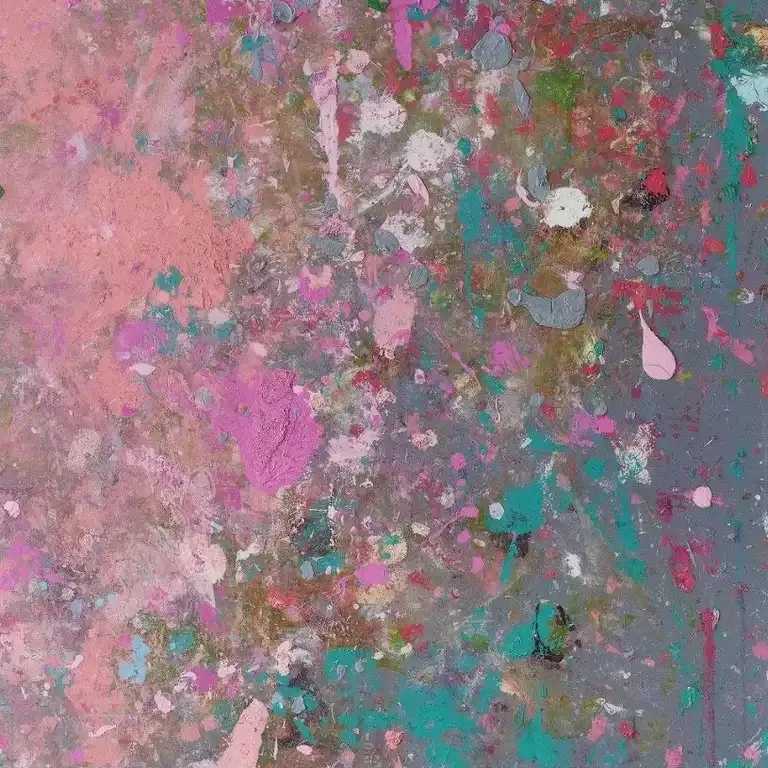 Damien Hirst, H13-5 Exmouth Esplanade