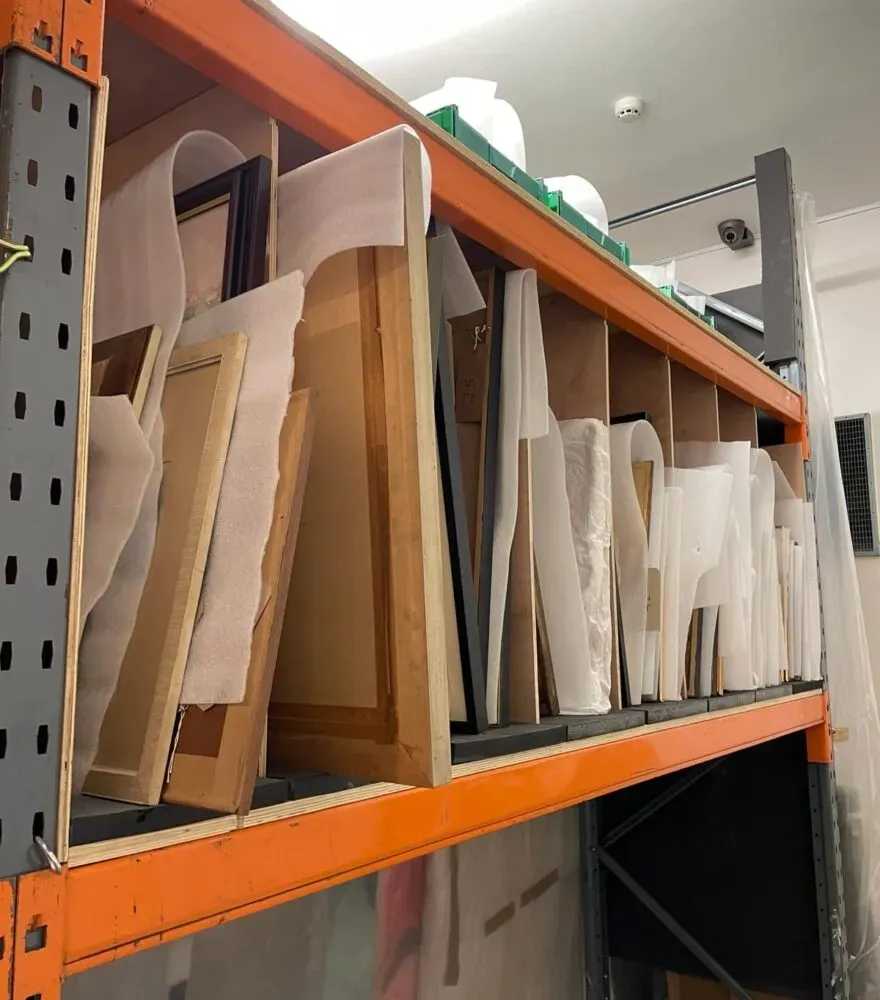
Ship Art Safely: Framed vs Unframed Prints Guide
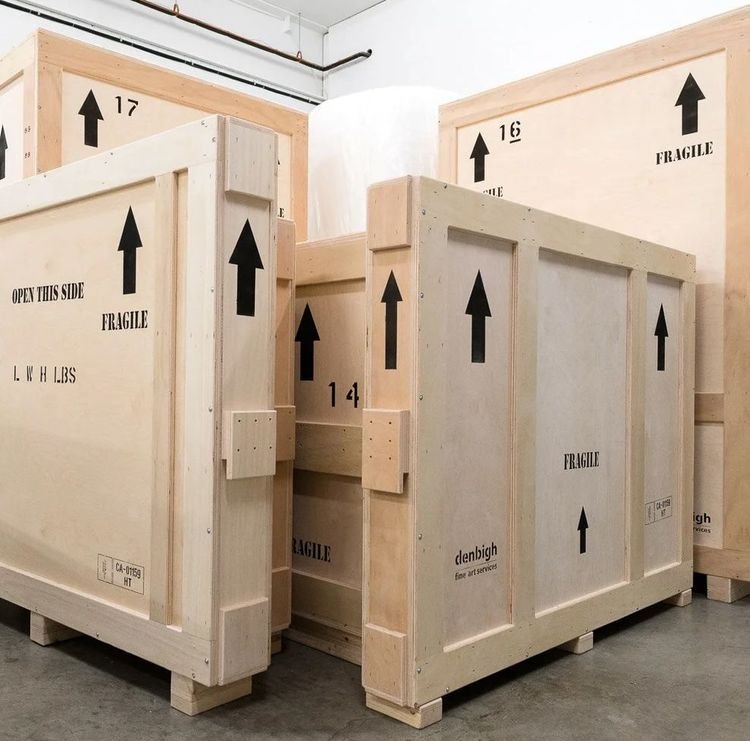
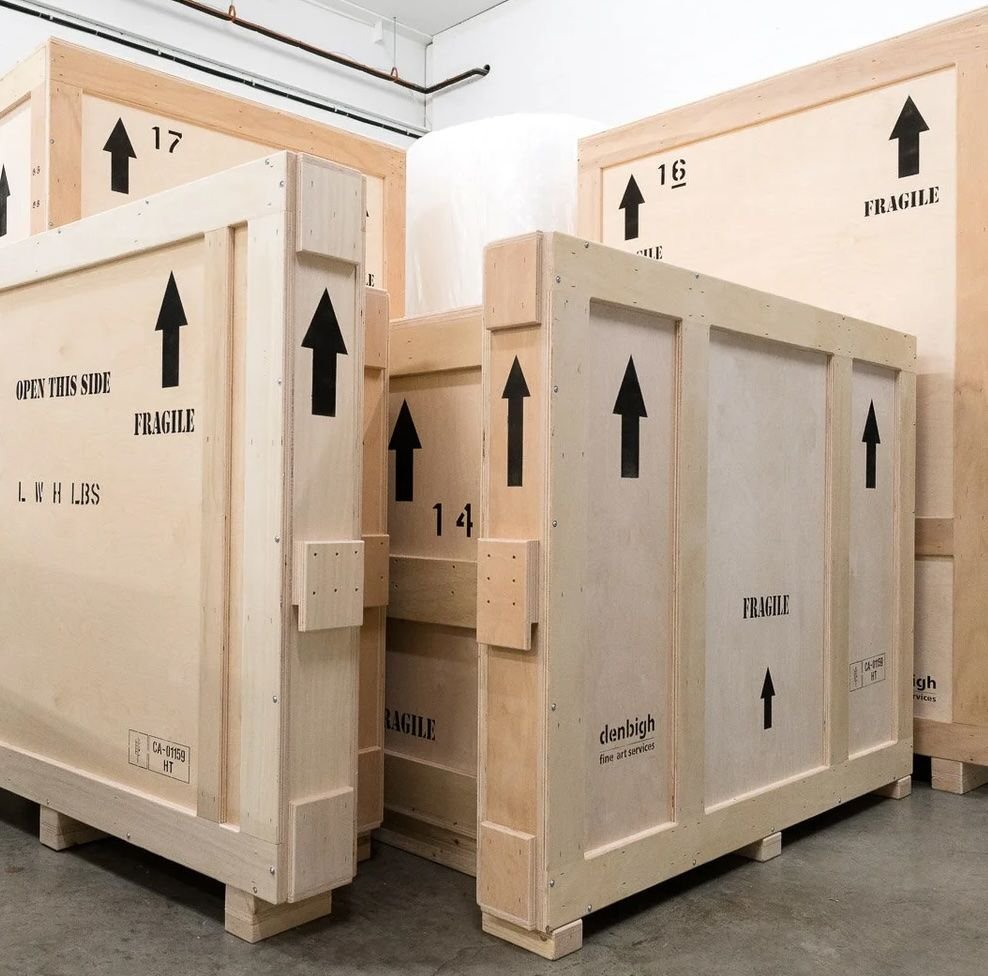
Shipping is the moment when pristine prints become vulnerable to abrasion, bending, moisture, and puncture. Done right, shipping preserves condition and liquidity; done casually, it creates permanent value loss. This guide shows how to ship art safely for framed and unframed prints, what it costs today, how to protect authenticity and COA during transit, and how shipping choices affect long-term value. It is written for buyers who want professional control without guesswork.
FairArt Editorial distills hands-on packing standards, insurance logic, and chain-of-custody techniques used by serious collectors. If you want a primer on collecting strategy or a quick reference for terms while you read, open FairArt Editorial for fundamentals and keep our glossary nearby. Where rates are opaque, we set out a method to triangulate costs. If you like to reconcile shipping spend against the work’s value, organize that ledger the same way you track comps in usnig FairArt's pricing comps.
What is shipping art safely?
Shipping art safely means designing a transport plan that keeps a print’s condition identical from pre-pack inspection through delivery. Safety is not only about a better box; it is about the whole chain: documentation, handling, packing geometry, materials, routing, insurance, and a clean handoff at the destination.
Principles that define safe shipping
- Condition before movement. Inspect and photograph first; then move. Without a dated pre-pack record, you cannot allocate risk or claim intelligently.
- No-contact surfaces. Glossy ink, foil, and glitter must not touch wrap or glazing; packing creates controlled stand-offs just like framing does.
- Rigidity and crush resistance. The outer geometry must defeat bending, corner impacts, and punctures from conveyor or fork tines.
- Moisture and dust control. Inner wraps are clean and inert; seals are tight enough to keep contaminants out without trapping humidity.
- Shock absorption. Layered cushioning decelerates impacts without allowing the print to migrate inside the package.
- Traceable custody. Labels, tracking, and signatures are tied to an inventory that includes images and measurements.
Why framed vs unframed matters
- Unframed prints are lighter and cheaper to move but can be damaged by rolling, static, or corner impacts if packed casually.
- Framed works carry glazing risks, weight, and leverage; they often require rigid cartons or crates and fine art carriers rather than standard couriers.
How much does it cost today?
Shipping costs vary by format, destination, service level, and insurance. Use these bands to plan. Then refine using the method below when quotes are not public.
Unframed prints (single sheet, up to about 40 by 30 inches)
- Rolled, double-tubed, courier: 60 to 200 USD domestic; 120 to 400 USD international, plus 1 to 2 percent of declared value for insurance
- Flat-packed between honeycomb boards, courier: 150 to 350 USD domestic; 250 to 600 USD international, plus insurance
- Conservation flat pack with foam-lined case, fine art carrier: 350 to 800 USD domestic; 600 to 1,200 USD international
Framed works
- Double-boxed, courier, small frames: 180 to 450 USD domestic; 400 to 1,200 USD international, plus insurance
- Soft crate (foam-lined wood or composite), fine art carrier: 400 to 900 USD local metro; 800 to 1,800 USD domestic long-haul
- Museum crate, fine art carrier or air freight: 1,200 to 3,000 USD international depending on size, weight, and route
What drives the spread
- Size and weight thresholds that trigger oversize surcharges
- Service level (courier vs fine art carrier), residential liftgate, stairs
- Customs paperwork, duties, brokerage
- Crate build, moisture barriers, shock indicators
- Rush handling, restricted delivery windows, certificates of insurance
How to triangulate rates when prices aren’t public
- Separate packaging from carriage. Price the packing spec first, then ask carriers to quote transport and insurance on your declared value.
- Normalize dimensions. Quote to the same outer dimensions across vendors; ask framers or shippers for their standard exterior sizes after packing.
- Quote two lanes. Get a courier price and a fine art carrier price with the same insurance so you can value the risk delta explicitly.
- Convert to net-to-door. Add materials, labor, insurance, taxes, brokerage, and last-mile surcharges to see the real number you will pay.
- Tie to value. As a rule of thumb, allocate 1 to 3 percent of the artwork’s current comp range to safe transport, rising to 3 to 5 percent for fragile surfaces or international legs. Use the same discipline you apply in pricing-comps to sanity-check the work’s current range before you set a shipping budget.
FairArt can supply like-for-like packaging specs and arrange quotes across couriers and fine art carriers so you compare risk and cost on equal terms.
How to verify authenticity and COA before you ship
Shipping should never proceed until the work is documented and the paperwork is coherent. You are protecting more than paper; you are protecting resale liquidity.
Rapid verification workflow
- Match the object. Confirm title, technique, sheet size, edition size, signature, numbering format, and any stamps or watermarks against known release specs.
- Photograph in raking light. Front, verso, all four corners, inscriptions, edition number, blindstamps, and any notable marks. Date-stamp the set.
- Read the COA critically. Issuer, date, unique identifiers, full work details, and edition number must be present and specific.
- Reconcile paperwork and object. Inscriptions and measurements should match; if not, escalate to the issuer or a qualified expert.
- Store documents safely. Do not ship the original COA taped to the back of a frame or loose in the package. Ship a copy or a printout of the condition images; keep the original COA in an archival sleeve separately, and email the dossier to yourself.
Chain-of-custody tips
- Use tamper-evident seals on outer packages. Photograph the seal numbers at dispatch and on arrival.
- Place a packing manifest inside the outermost layer. List the work, materials, and contact details in case of inspection or mishap.
- For cross-border shipments, ensure invoices and descriptions are simple and accurate. Avoid art jargon on customs forms; use the terms you’ll find in our glossary.
FairArt can coordinate pre-pack inspection and maintain a digital dossier that supports insurance and future resale.
What affects value and condition in transit
Shipping decisions can either preserve or erode value. Buyers pay premiums for clean, well-documented transport and discount works with avoidable transport scars.
Risks to control
- Rolling heavy-ink or varnished prints. Dense inks can block-transfer under pressure or stick in humid conditions. If the surface is glossy or glittered, avoid rolling; use a conservation flat pack instead.
- Glass breakage. Standard glass can shatter and shed shards. For framed works, replace glass with acrylic before transit or build a glass skin and a rigid soft crate.
- Insufficient rigidity. Single-wall cartons or skinny tubes allow crushing and edge damage.
- Static and abrasion. Plastic wraps can lift loose pigment or glitter; use interleaving that is inert and non-abrasive, and do not allow wraps to touch the image field.
- Moisture and temperature swings. Condensation forms in unvented packages crossing climates; mitigate with moisture barriers and acclimation time before opening.
Value signals buyers notice
- Full pre- and post-shipment photo sets with raking light, not only frontal shots
- A clear packing spec naming materials and geometry
- Insurance and delivery records tied to the work’s declared value
- Zero mystery tape residue or frame rubs after opening
Never do list
- Do not roll prints smaller than a 4-inch inner diameter tube; larger for heavy inks
- Do not allow any wrap to touch a glossy or glittered surface
- Do not use brown parcel tape on art-facing materials
- Do not ship framed works with unsecured glass in a courier carton
- Do not include the original COA loose in the package
How to pack: unframed prints
Pre-pack inspection
- Photograph the sheet front and back, corners, signatures, and edition number under raking light.
- Measure the sheet to the millimeter; note any existing handling.
Interleaving and support
- Lay the sheet image-up on a clean, lint-free surface.
- Place an inert interleave larger than the image area (archival tissue or silicone release paper).
- Sandwich the print between two sheets of archival board or rigid foam core larger than the sheet by at least 50 millimeters on all sides.
Flat pack approach
- Tape the board sandwich closed around the perimeter with archival tape.
- Wrap in a moisture barrier sleeve; add corner protectors outside the board sandwich.
- Place into a telescoping, double-wall carton with at least 40 millimeters of cushioning on all sides.
Rolled approach for safe candidates only
- Only roll matte, low-ink-load prints that are free of varnish and glitter.
- Use an interleave wider than the sheet; roll around a 4 to 6-inch inner core; never smaller.
- Slip the roll into an inner tube, cap firmly, then place that tube inside a larger outer tube with foam spacers at both ends.
Labeling and dispatch
- Mark the package with orientation, do-not-bend, and tamper-evident seals.
- Photograph the sealed package and labels before handoff.
How to pack: framed works
Pre-pack inspection
- Photograph frame front and back, corners, glazing reflections in raking light, and any labels.
- Confirm that glazing is acrylic or that glass has a protective skin in place.
Surface protection
- Use a clean glazing protector film or non-adhesive wrap that does not leave residue.
- Add foam corners and an impact frame if available.
Double-boxing
- Box 1: custom-fit inner carton with foam on all sides.
- Box 2: larger outer carton with additional padding and rigid corner guards.
Soft crate or museum crate
- For larger or high-value frames, use a foam-lined wood or composite crate with internal cleats and shock-absorbing mounts.
- Add shock and tilt indicators to the exterior and record serial numbers.
Handover
- Photograph the staged packing steps and the sealed crate.
- Require adult signature on delivery; if using a fine art carrier, request a condition check at pickup.
Framed vs unframed: which to choose and when
Choose unframed when
- The print is matte or low-ink-load and can be safely flat-packed or rolled
- You are consolidating multiple prints to one shipment
- You plan to frame locally to your own spec
Choose framed when
- The piece is already framed to a conservation standard you trust
- You need wall-ready delivery for an install deadline
- The work’s surface is so delicate that local technicians should not handle bare paper
Hybrid strategy
- Ship unframed to minimize risk and weight, then frame on arrival with a written spec. This often reduces total risk and cost while improving outcomes.
The 5-minute pre-ship decision checklist
Confirm each line before funds move or a courier is booked.
- Do you have a dated pre-pack photo set including raking light and verso
- Is the packing geometry defined in writing and appropriate to the surface
- For glossy, foil, or glitter surfaces, have you chosen flat pack or crate instead of rolling
- Is the glazing acrylic or protected if the work is framed
- Are dimensions and weight within safe courier limits; otherwise, are you using a fine art carrier
- Is the declared value correct and supported by comps
- Is insurance in force for the full declared value door-to-door
- Are customs documents simple, accurate, and complete for cross-border shipments
- Is the COA stored separately and a copy of the spec placed inside the package
- Do you have a named receiver and a delivery window that avoids failed attempts
If you cannot answer yes to two or more, pause and escalate packing or carrier choice.
Where to buy safely
Traits of safer sellers
- Provide full-sheet and raking-light photos, verso, signatures, edition numbers, and stamps
- Share a recent, specific condition summary, not adjectives
- Explain their packing geometry and materials in writing
- Offer insured, trackable shipping with clear delivery terms
- Are willing to delay dispatch for 24 hours of humidity acclimation after a frame or pack
Venues to consider
- Established galleries with documented packing standards
- Platforms that hold funds until inspection and require documentation
- Fine art shippers paired with vetted framers near the destination
FairArt maintains verified listings, coordinates independent condition reporting, and sets packing specifications with fine art carriers so your shipment is evidence-led from the first photo to the final signature.

Frequently asked questions
Should I roll or ship flat for unframed prints
Roll only if the print has a low ink load and no varnish, foil, or glitter. Use a wide core and double tube. If in doubt, flat-pack between rigid boards or crate.
Is standard glass safe to ship
No. Standard glass can shatter and damage the artwork. Either glaze with acrylic before shipping or add a glass protection skin and crate.
How much insurance should I buy
Insure for full declared value end-to-end, including while the work is at the framer or shipper. Use recent comparables to justify value.
What if customs opens the package
Include a manifest and simple, accurate descriptions. Pack with layers that can be reclosed. Photograph each layer so the receiver can compare on arrival.
How long should a print acclimate after delivery
Allow 24 hours at room humidity before opening a sealed pack and 24 more before framing. This reduces cockling and condensation risk.
Do fragile stickers matter
They help a good handler, but packaging and carrier choice matter more. Use shock and tilt indicators to reinforce handling signals and to support claims.
Can I ship the original COA with the work
Do not ship the original COA loose. Send a copy inside the package and keep the original in archival storage. Match images and numbers to that document before dispatch.
What’s the safest carrier
For small, rigid flat packs, a major courier with insurance can be fine. For large frames or crates, use a fine art carrier that provides climate-aware vehicles, trained handlers, and delivery appointments.
Summary you can act on today
- Inspect and photograph before anything moves; confirm paperwork coherence.
- Choose packing geometry to match the surface: flat pack or crate for glossy, glitter, or heavy-ink prints; never allow contact.
- Normalize quotes to net-to-door and tie spend to the work’s value using your comps ledger.
- Insure door-to-door for the full declared value and track chain-of-custody with photos and seals.
- Favor sellers and carriers who document materials, methods, and delivery terms in writing.
FairArt can coordinate pre-pack inspection, insured carriers, and destination framers so your shipment is safe, documented, and resale-ready. For market context or to justify declared values, maintain your ledger using our pricing comps.