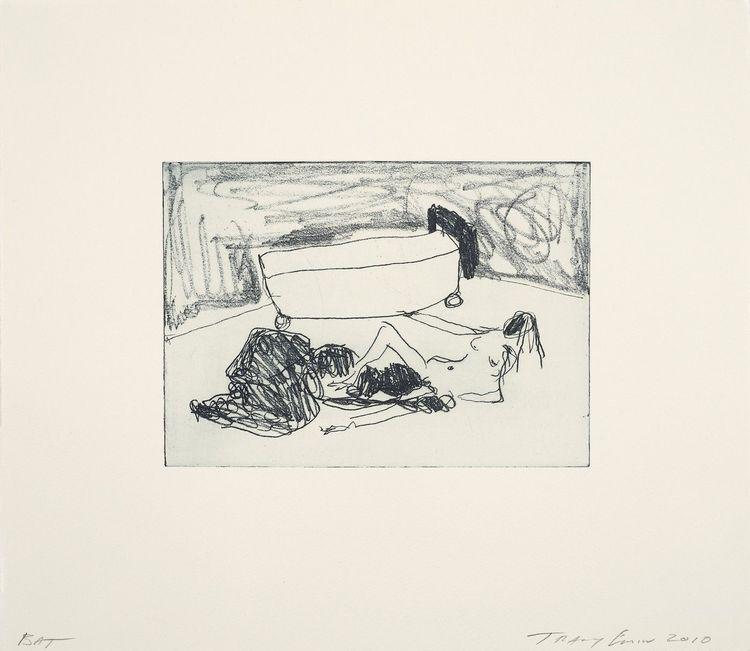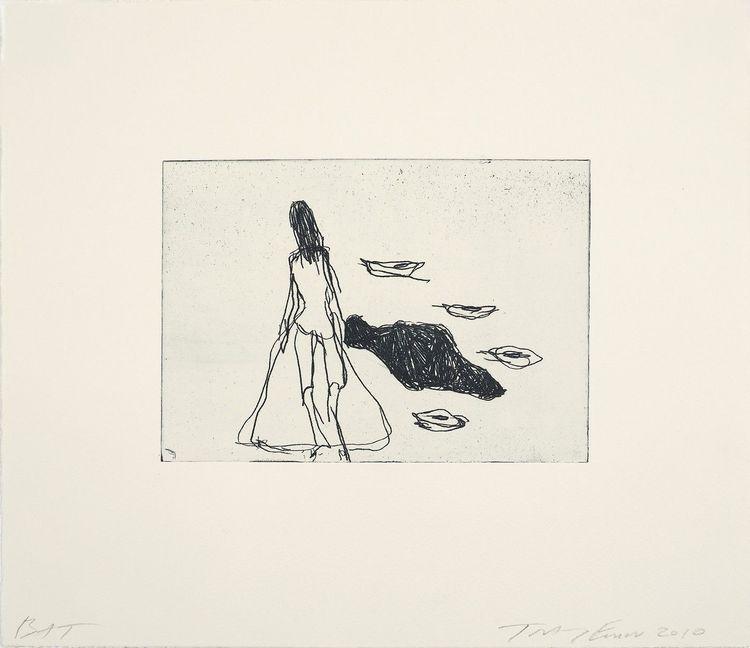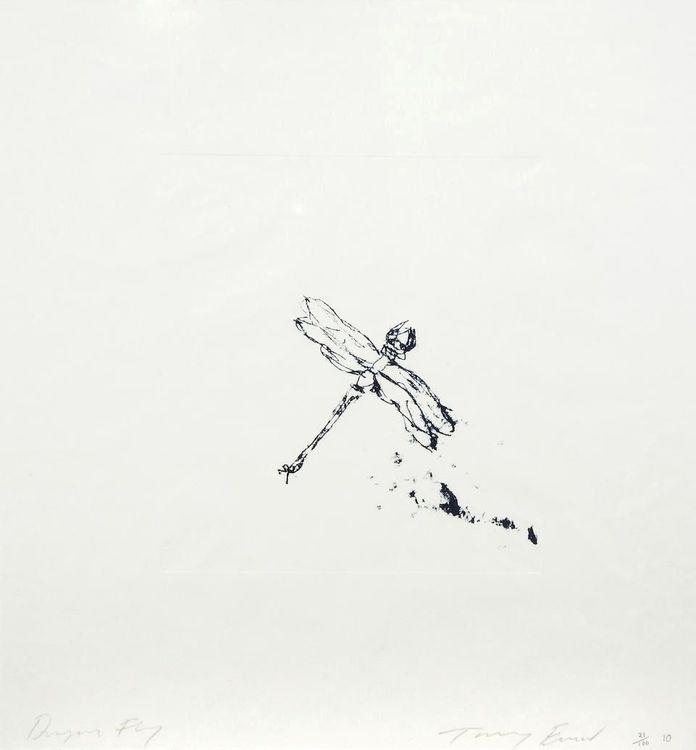
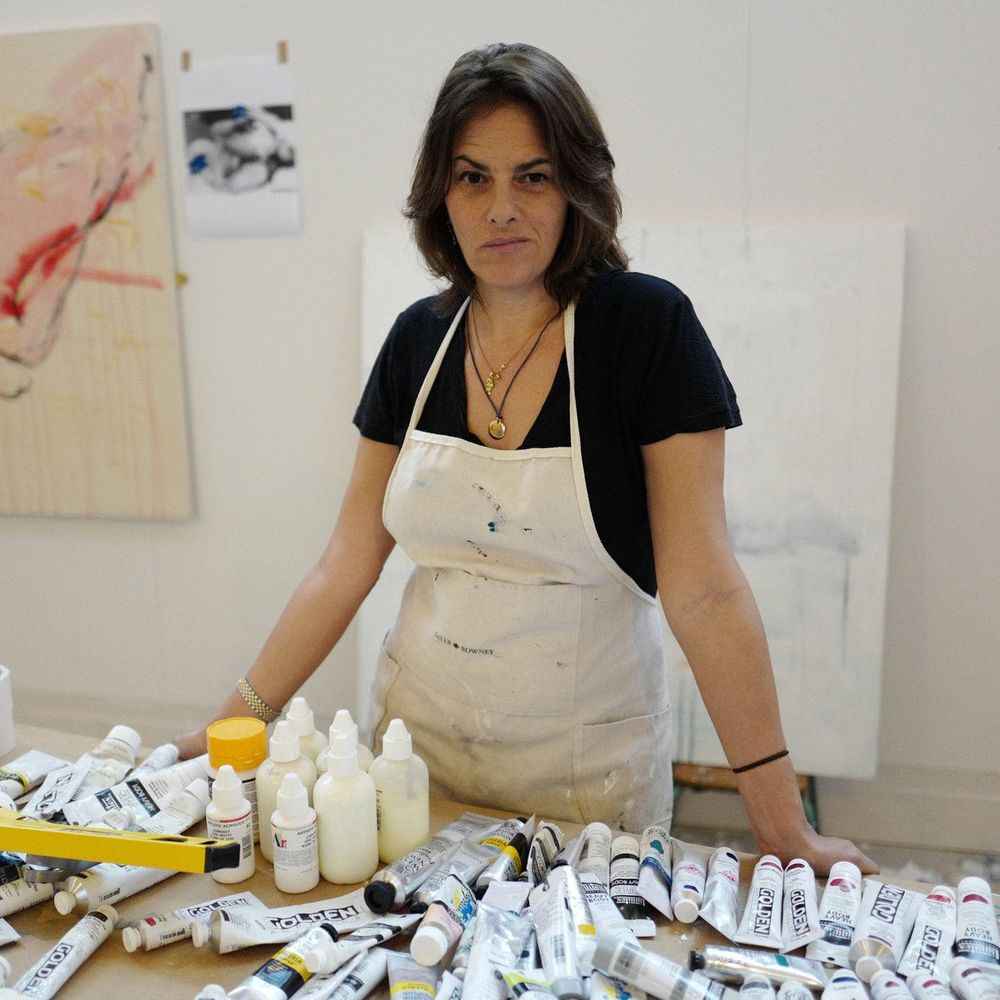
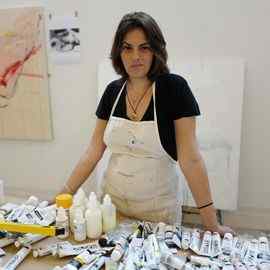


Tracey Emin is a British artist whose work draws directly from the intimate experiences, memories, and emotional landscapes of her own life. Using media as varied as drawing, needlework, sculpture, painting, neon, and installation, she creates pieces that are often raw, confessional, and unapologetically direct. Her narratives explore sexuality, trauma, desire, shame, and vulnerability with an openness that has sparked discussion since the beginning of her career. Emin spent her early childhood in Margate, where her Turkish Cypriot father owned a hotel, and the nostalgia and melancholy of the seaside town recur throughout her practice as symbols of longing, loss, and formative memory. Rising to prominence as part of the Young British Artists in the late 1980s, alongside figures such as Sarah Lucas and Damien Hirst, Emin helped redefine what contemporary art could be in Britain through works that confronted the personal and the political with equal force.
About Tracey Emin
Born in 1963, Tracey Emin studied at Maidstone College of Art before completing her MA at the Royal College of Art. She became one of the defining voices of the Young British Artists, a loose group whose boundary-pushing works shaped the cultural climate of the late twentieth century. Emin’s practice has always been grounded in autobiography, entwining memory, confession, and self-examination. Her early life in Margate, marked by instability and emotional upheaval, became a key source of imagery and emotional content in her works.
Her breakthrough exhibitions in the 1990s placed her at the centre of public debate. Emin’s ability to collapse the boundaries between art and lived experience reconfigured expectations around authenticity and the role of the artist’s voice. Over the years she has expanded her practice across painting, bronze sculpture, neon texts, and monumental public works, establishing herself as a major figure in British and international contemporary art.