
Art Import VAT: Importing Prints to the US/UK — Basics


Importing a print across borders adds taxes, duties, and paperwork to your total cost of ownership. Art import VAT is the tax charged at the border on eligible art goods entering a country. Understanding how import VAT and duties work in the US and the UK, how to model landed cost, and how to keep your documentation clean protects both value and speed to delivery.
FairArt Editorial focuses on methods you can reuse, not fine print that changes every year. Where published rates aren’t obvious, we show you how to estimate and stress-test quotes. For collecting fundamentals while you read, keep the primers at FairArt Editorial open.
What is art import VAT
Art import VAT is a consumption tax collected when art enters a country. It is calculated over a customs value that usually includes the artwork price, buyer’s premium (if any), shipping, and insurance to the border. The exact treatment depends on:
- Jurisdiction: US versus UK rules differ.
- Classification: how your print is categorized in the tariff (for example, original prints versus posters or decorative reproductions).
- Purpose: private collection, resale, or temporary admission for an exhibition.
- Status and route: whether the shipment moves direct, via a bonded warehouse, or under a special relief.
Key distinctions at a glance
- United Kingdom: Import VAT generally applies on entry. Certain art categories may have special treatments or reliefs when conditions are met. Businesses may reclaim import VAT subject to normal rules.
- United States: The US does not have a federal VAT. Many art prints enter duty-free or at low duty depending on classification. Sales/use tax is often assessed at the state level after import if the transaction nexus requires it.
Your working goal is to identify the correct classification, model the customs value, and apply the relevant tax or duty. If you cannot confirm a number quickly, focus on a conservative range and secure it in writing from your broker.
How much does it cost today
Use these components to build a realistic landed-cost model. Figures are indicative and vary with scale and route; replace with quotes as you progress.
Core cost components
- Artwork price or hammer plus buyer’s premium
- International shipping and insurance to the destination country
- Customs brokerage and disbursement fees
- Duty (if any) based on tariff classification and origin
- Import VAT (UK) or state sales/use tax implications (US), applied to the customs value
- Last-mile fees: delivery appointment, stairs, or special handling
Indicative bands to expect for a single print
- Brokerage and disbursement: often 50 to 250 USD/GBP for straightforward entries; more for complex routes or bonded moves
- Documentation prep (commercial invoice, packing list, origin statements): typically included by the seller or shipper; budget 0 to 150 if outsourced
- Carrier surcharges (remote area, fuel, security): 10 to 100+ depending on route
- Insured courier versus specialist: door-to-door insurance is usually a small percentage of declared value
How to estimate when rates aren’t public
- Lock the tariff description first. Ask your broker which heading they will use for your print and why. Record the code and any notes on duty or VAT treatment.
- Build the customs value. Start with price or hammer plus buyer’s premium, add shipping and insurance to the border.
- Apply tax and duty in a range. Use a low and high scenario so you see your exposure if the rate is different than expected.
- Add broker and carrier fees. Get these as fixed quotes, not percentages.
- Convert to net-to-door. Only compare offers after you include all taxes, duties, fees, and last-mile costs.
FairArt can help you request like-for-like quotes and read the fine print so you aren’t surprised by a late disbursement fee or a reclassification.
How to verify authenticity and COA when importing
Verification should happen before anything moves. A clean paper trail reduces border friction and preserves resale value.
Pre-shipment workflow
- Photograph the work. Front, verso, signatures, edition number, stamps, and any watermarks. Capture raking-light images to show surface condition.
- Measure. Record sheet and image sizes to the millimeter and note framing specs if the work is framed.
- Read the COA critically. The certificate should identify issuer, date, title, technique, paper, sheet size, and the exact edition number.
- Reconcile object and paperwork. Dimensions and inscriptions must match; note dedications or special states.
- Keep the original COA separate. Store it safely; place a copy with the shipment. Do not tape an original COA to a frame or crate.
Customs paperwork tips
- Invoice clarity: use simple, accurate descriptions and the edition number where relevant. Avoid jargon; customs officers aren’t gallerists.
- Value statements: match the declared value to the purchase invoice; keep currency and decimals consistent across documents.
- Packing list: list the number of pieces, packaging type, and any crate or tube identifiers so inspections can be reclosed correctly.
If a detail is ambiguous, fix it before shipping. Corrections after departure slow clearance and complicate insurance.
What affects value and condition when importing
Shipping and paperwork decisions directly affect both condition and liquidity.
Risks that move price
- Surface damage from rolling. Glossy or heavy-ink prints can block-transfer or scuff when rolled tight. Favor flat-pack or crate for sensitive surfaces.
- Glass breakage on framed works. Replace glass with acrylic or fit a rigid glass-protection skin and crate properly.
- Moisture and temperature swings. Condensation forms in sealed packages crossing climates; acclimate 24 hours before opening.
- Poor documentation. Vague invoices or mismatched measurements can delay clearance, increase handling, and raise damage risk.
- Reclassification at the border. Misapplied headings can trigger duty or VAT you didn’t budget and delay release.
Signals that protect value
- Specific, recent condition photos and raking-light imagery
- Clear edition and signature detail on invoices and packing lists
- Consistent values and measurements across all documents
- Insured, trackable shipping with named contacts and delivery appointments
Preservation on arrival
- Photograph the unopened package, then each layer as you unbox. Keep seal numbers in your record.
- Re-measure and check under raking light. Update your dossier if anything changed.
- Store the original COA separately and file a digital set of all import documents with your images.
Importing prints to the US — basics
Working outline
- Classification: many original prints are entered under headings that carry zero or low duty; confirm your code with the broker.
- Duty: often none for original prints; reproductions or decorative prints may differ. Check the declared materials and process.
- Taxes: no federal VAT. State sales/use tax may apply to the transaction depending on nexus and delivery, separate from customs clearance.
- Documentation: commercial invoice with clear description, value, and edition number; packing list; any origin statements if relevant.
- Clearance: a licensed customs broker files entry documents; you pay duties and fees before release.
Practical tips
- Ask for the tariff code in writing before shipping so you can price both duty-free and duty-applies scenarios.
- Keep copies of auction invoices or sales contracts to substantiate declared value.
- If you plan to resell, organize your import paperwork now; missing records make future buyers hesitate.
Importing prints to the UK — basics
Working outline
- Import VAT: charged on the customs value at entry. Certain art categories may have special treatments or reliefs if conditions are met; confirm with your broker.
- Duty: many prints enter at zero duty depending on classification; verify for your specific work.
- Documentation: commercial invoice, packing list, and any required statements. Values and measurements must be consistent with your dossier.
- Reclaiming VAT: businesses may reclaim import VAT subject to normal VAT rules. Keep all import entries and invoices.
Practical tips
- Confirm whether your print qualifies for any relief. If unsure, model your landed cost at both the standard and reduced scenarios.
- Ask your broker to itemize their disbursement fee and any deferment charges so you aren’t surprised post-clearance.
- File import documents with your art dossier; they support insurance values and future resale.
Where to buy safely
Traits of safer sellers for cross-border purchases
- Specific condition notes with raking-light and verso photos
- Invoices that identify the edition number, technique, and measurements
- Willingness to supply a simple customs-ready description in advance
- Insured shipping with clear responsibilities and delivery appointments
- Written inspection windows and return protocols that survive international transit timelines
FairArt curates verified listings and can coordinate third-party inspection, customs-ready documentation, and insured logistics so your import is evidence-led from first message to final delivery. For collecting context and shared terminology, open FairArt Editorial while you work.
The 5-minute import checklist
Confirm each line before you wire funds or book a courier.
- Tariff classification agreed in writing with your broker
- Landed-cost model built: price, premium, shipping, insurance, duty, VAT/tax, broker fees, last-mile
- Commercial invoice matches the object: title, technique, edition number, year, measurements, price, currency
- Packing geometry suitable for the surface: flat-pack or crate for glossy or heavy-ink prints; acrylic protection for framed works
- Insurance confirmed door-to-door at full value
- Inspection window and return terms in writing, realistic for cross-border timelines
- Original COA stored separately; copy travels with the shipment
- Pre- and post-shipment photo sets, including raking-light images and seal numbers
- Named receiver and delivery appointment arranged; storage plan ready on arrival
If two or more items are unclear, pause and fix them before the work moves.
Frequently asked questions
What is art import VAT in plain terms
A consumption tax due at the border based on the customs value of your artwork shipment. In the UK this is charged on entry. The US does not have VAT; instead, duty may apply by classification and separate state sales/use tax may arise.
Are original prints duty-free everywhere
No. Many jurisdictions apply zero or low duty to certain original print categories, but not all. Classification and origin matter. Confirm the heading with your broker.
Do I pay VAT again when I sell the print later
Possibly, depending on your jurisdiction and business status. Import VAT and later sales tax/VAT are separate events with different rules. Keep your import evidence; it supports correct treatment later.
Can I reduce VAT by declaring a lower value
Never. Under-valuation risks seizure, penalties, and insurance denials. Declare the true transaction value and keep matching paperwork.
Should the COA travel with the artwork
Send a copy with the shipment for identification, but store the original separately in archival conditions. It is part of your long-term provenance.
Is it cheaper to ship framed or unframed
Unframed is lighter and often cheaper, but surface-sensitive prints may need flat-pack or crate either way. For framed works, protect glazing and crate properly.
Summary you can act on today
- Get the tariff classification in writing, then build a landed-cost model with low and high scenarios.
- Verify the COA, edition number, and measurements before shipping; synchronize all documents to those facts.
- Choose packing that matches the surface: flat-pack or crate for sensitive prints; protect glazing on framed works.
- Insure door-to-door at full value and keep a complete photo dossier and import papers for future resale.
- Favor sellers and brokers who provide specifics fast; vagueness is a cost you will pay later.
FairArt can assemble customs-ready documentation, coordinate brokers and insured carriers, and keep your provenance file clean for future resale. For collecting context and shared terminology, open FairArt Editorial while you plan your import.
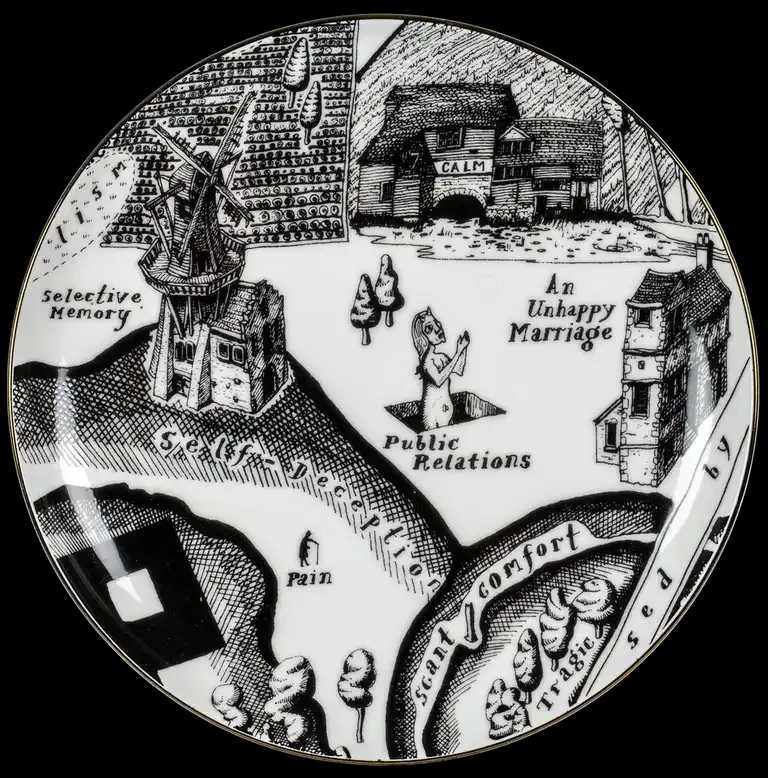 Grayson Perry, Map of Days plate