
Buy Damien Hirst Privately: Mid-Market Playbook

You want a unique Damien Hirst that reads as the real thing on the wall, without public bidding or endless back-and-forth. This private sale playbook compresses discovery, due diligence, negotiation, and delivery into a verifiable, two to six week arc—built for mid-market budgets and collectors who demand evidence, not anecdotes.
FairArt’s model is simple: Provenance Vault end to end, transparent comps and fees so you negotiate once and finalize fast, and expert condition reporting with white-glove shipping and customs. Keep FairArt Editorial open for shared terminology as you work. Use our authenticity guide to structure paperwork. For framing geometry and insured transit, align with our framing guide and our shipping guide. Once installed, follow our installation guide. To browse context and shortlist candidates, see Damien Hirst prints. For buyer flow and recourse expectations, keep our buyers' guide nearby.
Who this playbook is for
- Experienced collectors upgrading from editions to a unique Hirst on paper or canvas (Spin, Spot, Butterfly).
- Typical budget 60k to 400k net to wall, occasionally higher for early or large, published works.
- Decision window two to six weeks; advisor or partner often reviews the file.
The private sale sequence you can run this month
Phase 1. Scope and signal
- Define the wall: width, sightline, light, and color tolerance.
- Set lanes: Spin vs Spot vs Butterfly; paper vs canvas; size band; palette direction.
- Fix the budget as net to wall: artwork, due diligence, framing, shipping, tax/import, installation.
Phase 2. Longlist to shortlist
- Pull five to eight candidates with complete image sets and basic paperwork.
- Collapse to two or three based on palette, scale, and dossier strength.
- Ask for a one-page summary per candidate using the Provenance Vault headings in provenance-coa.
Phase 3. Dossier and private viewing
- Commission or request a named-conservator report with UV and raking-light images.
- Schedule a private viewing or studio walk-through; request AR wall previews.
- Lock a draft framing spec using our framing guide.
Phase 4. Net price and exclusivity
- Request a single, inclusive net price with clear inclusions: framing, packing, insured shipping, import handling, installation.
- Offer a short exclusivity window while the condition report completes and funds move to escrow.
Phase 5. Contracts, escrow, and logistics
- Sign a purchase agreement with representations on title, authenticity, condition disclosures, and export permissions where relevant.
- Fund escrow with release conditions tied to the inspection window and carrier scans.
- Book crate geometry and door-to-door cover via our shipping guide. Name the receiver and delivery appointment in writing.
Phase 6. Delivery, install, and file freeze
- Acclimate on arrival; unseal with photos; confirm against the report.
- Install to spec per our installation guide.
- Freeze the Provenance Vault: final invoices, import entries, pre-seal and post-install photos, and the conservator letter. Store the original COA offline per our authenticity guide.
Price bands today and how to model a net number
Orientation bands, indicative USD; refine with like-for-like comps and condition adjustments.
- Spin on paper (mid to large): high five figures to low six when ridge integrity and margins are immaculate.
- Spin on canvas (mid to large): six figures; early or exceptionally resolved palettes can reach mid-six.
- Spot on paper (mid to large): high five to low six; disciplined palettes read well and transact quickly.
- Spot on canvas or panel (mid to large): six figures; perfect surfaces and crisp edges lead.
- Butterfly unique works (format-dependent): upper five to mid-six; leaf or complex surfaces trend higher in pristine state.
How to price when numbers aren’t public
- Match on support, size, palette, period, and literature; separate anecdotes from verifiable outcomes.
- Normalize for state: deduct for scuffs, gloss disturbance, craquelure, cockling, edge rubs, or restoration; add a premium for a named-conservator report and immaculate surfaces.
- Convert to net to wall: add insured shipping, framing or vitrine, import, and installation to every scenario.
- Keep a low and high case so you negotiate from facts, not hunches.
The Provenance Vault: what your dossier must show
Identity and images
- Studio front and angled shots; verso and edges; macro of signature, dates, stamps; raking-light and UV sets.
Chain of title
- Invoices linking each transfer with dates, parties, values, dimensions. Bridge any gaps with a dated declaration by a named party.
Scholarship and exhibition
- Catalog and checklist citations that match your work’s dimensions or unique traits.
Condition and care
- Named-conservator letter less than 18 months old; findings, treatments, and display recommendations.
Framing and logistics
- Conservation frame/vitrine spec; crate/flat-pack geometry; insurer and exclusions; import classification and responsible party.
Negotiate once, finalize fast
Structure the conversation around a single net price and clear evidence.
- What you control: scope, timeline, dossier completeness, and payment conditions.
- What you accept: a rational, document-backed price; reasonable inspection and return terms; realistic delivery windows.
- What you decline: shifting fees, vague paperwork, late COAs with no publisher memo, or pressure to pay off-platform without escrow.
Condition by family: read in two minutes
Spin
- Risks: micro-cracking on ridges, dusting in matte zones, edge rubs. Raking-light quadrants tell the story.
Spot
- Risks: overpainted dots, pin losses, sinkage, stretcher shadow, environment tone shift. Macro and even grazing rakes surface issues quickly.
Butterfly
- Risks: leaf lift at joins, delamination of delicate elements, micro-scratches that bloom under glare, adhesive aging. UV and shallow-angle passes reveal truth.
Framing and installation that preserve value
- Canvas: tray or shadow-gap; avoid glazing unless the site demands acrylic with generous stand-off.
- Paper or complex surfaces: deep-set build, low-reflection UV glazing, reversible hinges, gasketed backs. Use our framing guide as your checklist.
- Install with secure hardware, level sightlines, and known lux targets per our installation guide.
Red flags vs green lights
Red flags
- Gaps in title, mismatched dimensions, or alternate titles that don’t reconcile.
- Image-area in-paint without a conservator memo; late or inconsistent COAs.
- Uninsured routes, no delivery appointment, or off-platform payment pressure.
Green lights
- Continuous chain with values and dates, literature mentions, and a recent named-conservator report.
- Full raking-light and UV sets; pre-seal photos; conservation framing spec.
- Single net price with escrow and clear release conditions.
The 5-minute private sale checklist
Run this before you wire or sign.
- Does the work fit the wall and light, and is the palette the right read from standard viewing distance
- Is the dossier complete: identity, chain of title, conservator letter, literature, and logistics
- Are raking-light and UV image sets recent and clean; any treatments dated and documented
- Do invoices reconcile line by line to dimensions, parties, and values; is the COA original stored offline per our authenticity guide
- Is the net price truly net to wall, including framing, packing, insured shipping, import, and installation
- Are escrow instructions and release conditions in writing; is the inspection window realistic for transit
- Is crate geometry, insurance cover, and a named receiver scheduled via our hipping guide
- Is the framing spec locked via our framing guide; install booked per our installation guide
If two or more items are unclear, pause, fix the file, then negotiate.
Frequently asked questions
Why buy privately instead of at auction
Privacy, speed, and fewer unknowns. A private sale lets you control due diligence, frame a single net price, and avoid buyer premiums and public records that may not serve you later.
Can I accept restoration
Yes, when minor, stable, and disclosed in a named-conservator memo with dates and methods. Price it rationally. Undisclosed or structural work is a stop.
What if export or import is involved
Document the route, classification, and responsible party in the agreement. Book insured, door-to-door cover with a delivery appointment via our shipping guide. File entries in your Vault.
Do I need escrow for private sales
For this tier, yes. Tie releases to inspection and transit milestones, not hope. Use clear, written instructions and bank-verified accounts.
Should I frame before delivery
For canvas, crate unglazed and frame after; for paper or delicate surfaces, ship flat or crated to the framer and glaze with low-reflection UV acrylic. Keep pre-seal photos and the written spec in your Vault using our framing guide.
How do I avoid negotiation fatigue
Decide scope early, demand a single inclusive net price, and gate the process with evidence. A clean dossier closes faster than a lower price with paperwork drift.
FairArt can shortlist Spin, Spot, and Butterfly candidates, assemble a Provenance Vault with a named-conservator report, and present a single net offer with escrow, white-glove shipping, and customs. We will stage a private viewing and provide AR wall previews so you can decide in one session.
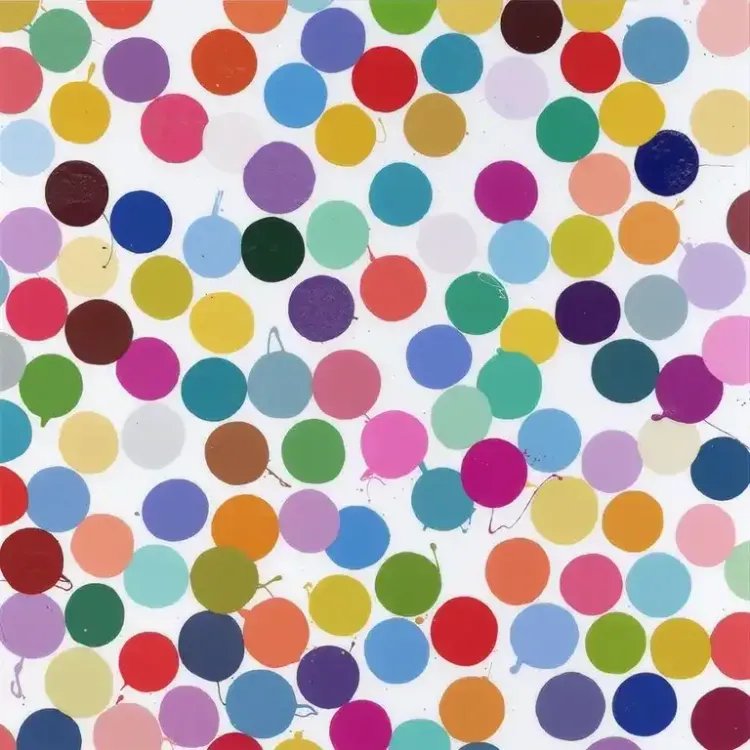
 Damien Hirst, Forever (Small)