
Swimming Pools and Sunlight: Inside Hockney’s California Years
Arrival in Los Angeles
A Painter attracted by Light
In 1964, David Hockney left the grey skies of London behind and landed in the sun drenched landscape of Los Angeles. The modernist architecture, bright light and outdoor life represented a world radically different from Britain, beginning an exciting new chapter in his work. To Hockney, California was more than a change of scenery, it was a revitalisation.
A New Visual Language
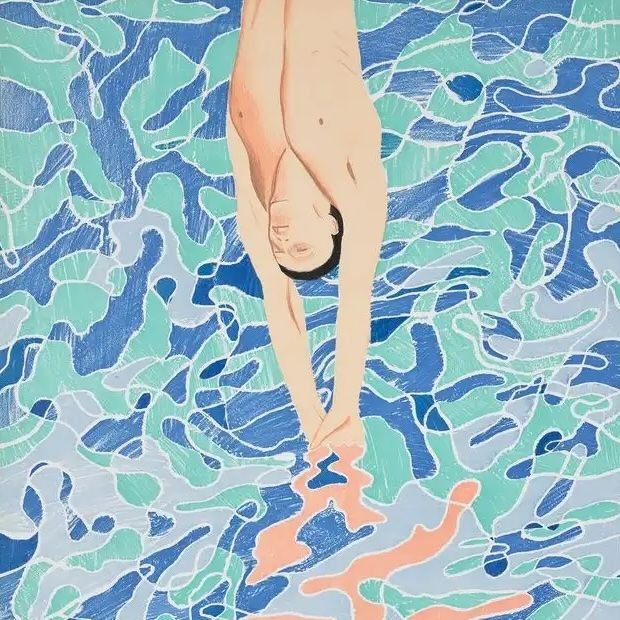
Los Angeles gave him the freedom to explore using flat planes of colour, clean lines and compositions that highlighted both the artifice and beauty of the suburban landscape. As he composed images, his work became more vibrant, sharper with a newfound focus on the way we interact with people, place and atmosphere.
 A limited edition version of this work is available to buy or sell here on FairArt.
The Iconic Pool Paintings
Splashing into Modernism
Hockney’s fascination with swimming pools became one of the defining motifs of his artistic career. Pieces like A Bigger Splash (1967) and Portrait of an Artist (Pool with Two Figures) (1972) captured the split second moment of water in motion against the backdrop of contemporary architecture.
Pools as Symbol and Surface
For Hockney, pools are not just symbols of leisure, but represent a technical challenge for the painter. To paint sunlight playing against woven water became a metaphor for both an abstract pursuit and representational task. At the same time the pools became metaphors, reflecting modern life in all its glamour, openness, and transience.
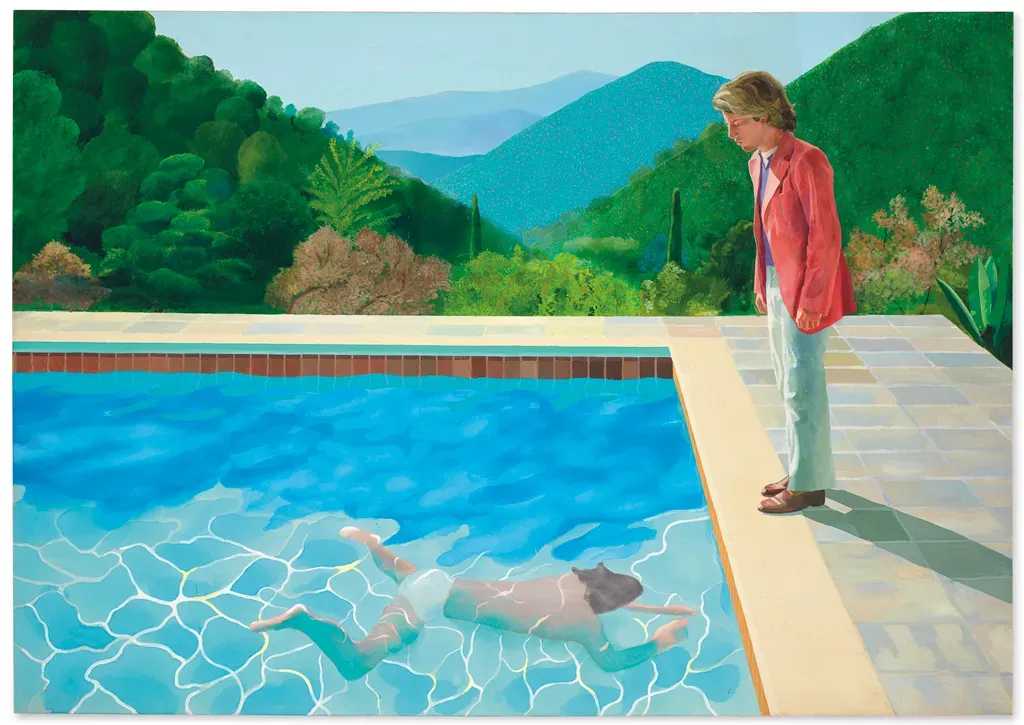 David Hockney‘s Portrait of an Artist (Pool with Two Figures), 1972, sold for $90.3 million on the block in 2018 at Christie’s in New York | © CHRISTIE’S IMAGES LTD. 2018
Light, Love and Lifestyle
California’s Bright Colours
The bright Southern California was unbelievably bright and transformed Hockney's colour palette. The rich blues, hot pinks and glorious greens he used reflect a dreamlike brightness and clarity and the immediacy of the Californian lifestyle at play. Hockney's California colours shimmer with a loving optimism reminiscent of postwar American optimism.
Intimacy in Portraiture
Many of Hockney's portraits of friends and lovers took place in domestic or outdoor settings having pools, patios, or bright interiors as a frame. The use of "double portraits" merged the formal discipline of European painting with the intimate casualness along the West Coast.
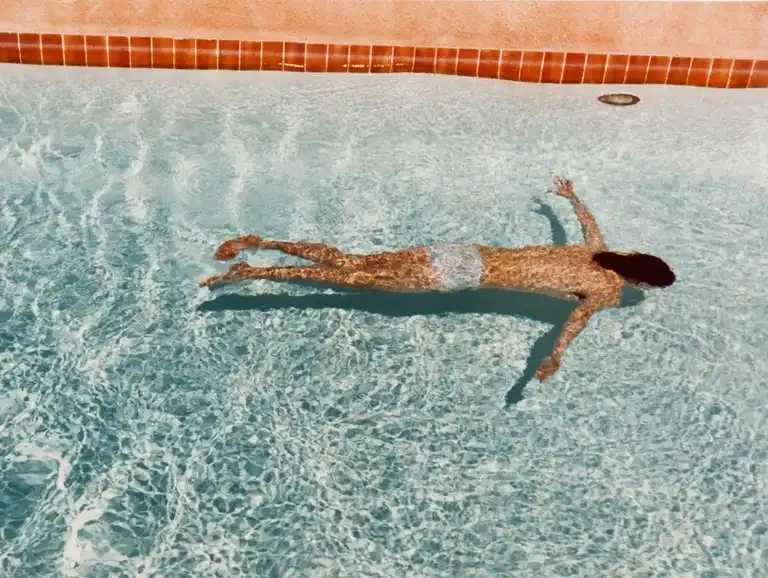 A limited edition version of this work is available to buy or sell here on FairArt.
Integrating Realism and Abstraction
Water as Experiment
In these works, Hockney merged representational with abstraction when it came to capturing the water. Each splash and ripple outlined a capture of observation and then also, an exploration of gesture. The balance between representation and invention is what characterised the energy of the California works.
Architecture and Space
Hockney also drew upon modernist architecture in the city for compositional structure. The use of glass walls, hard edges and geometric shapes allowed for illustration of perspective, depth, and flattening of space, themes that would continue to resurface throughout his work.
![David Hockney, A Bigger Grand Canyon, 1998 | © David Hockney] (https://cdn.fairart.io/Screenshot_2025_08_19_at_14_54_14_5d98554921.png)
Lasting Impact of the California Years
A Defining Time
Hockney's California works remain among the most recognizable and celebrated images of the twentieth-century art canon. They represent a specific time/place, while presenting universal ideas about enjoyment, leisure and human connection. They are monumental cultural moments.
Legacy of Light
More than fifty years later these works still resonate. They are more than just depictions of pools and homes, but instead are visual musings about light, love, and the semi-permanence of life in modernity forever represented in paint.