
The Banksy Effect: How Street Art Became Mainstream
From subculture to galleries
The margins of graffiti
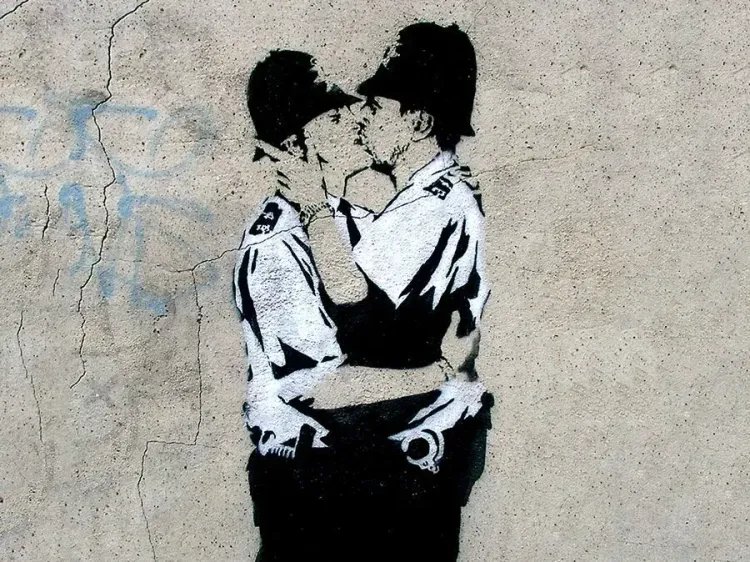
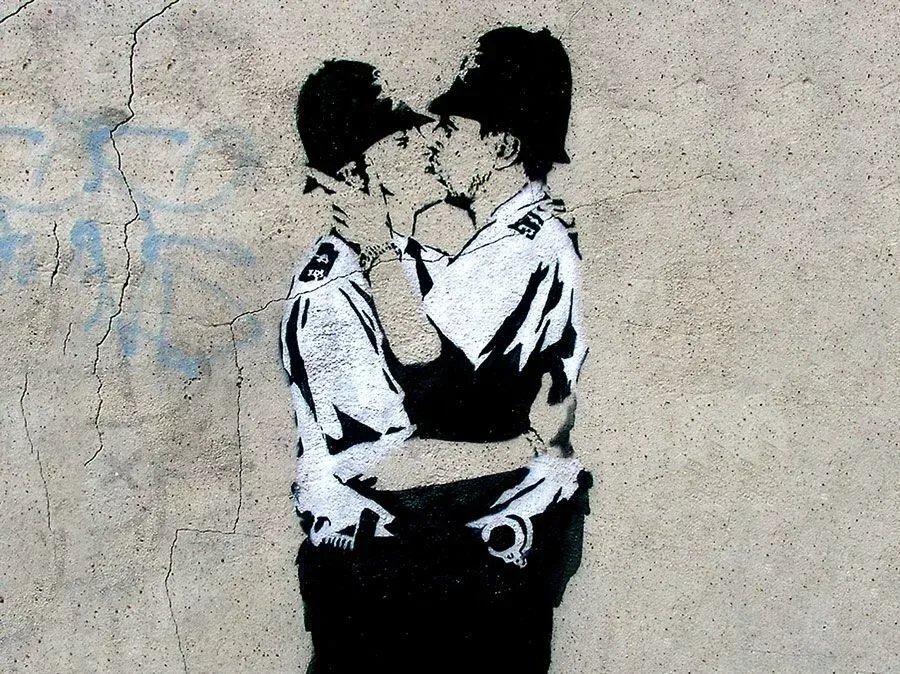
Street art was once seen in the margins, as a kind of vandalism. Prior to Banksy, there were few artists who helped bridge the gap between graffiti and gallery walls.
Banksy's influence
By creating work that was often humorous and accessible, Banksy opened doors. His shows like Barely Legal in Los Angeles (2006) blurred the line between street and institutional art.
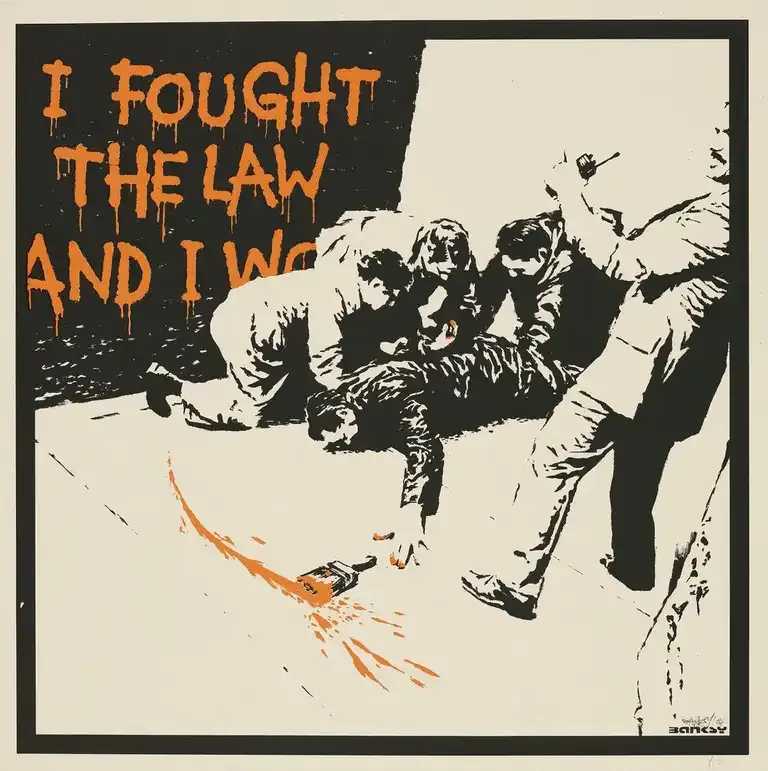 A limited edition version of this work is available to buy or sell here on FairArt.
Visibility and sharing
Digital through social media
Banksy's rise happened with the digital era, when photos of his works were able to circulate through the world in a matter of hours. His anonymity combined with his biting messages made the art itself inherently shareable.
Public engagement
Cities began to keep Banksy's murals intact out of their cultural and economic value for tourism. What might have been painted over at one time became tourist attractions in their own right.
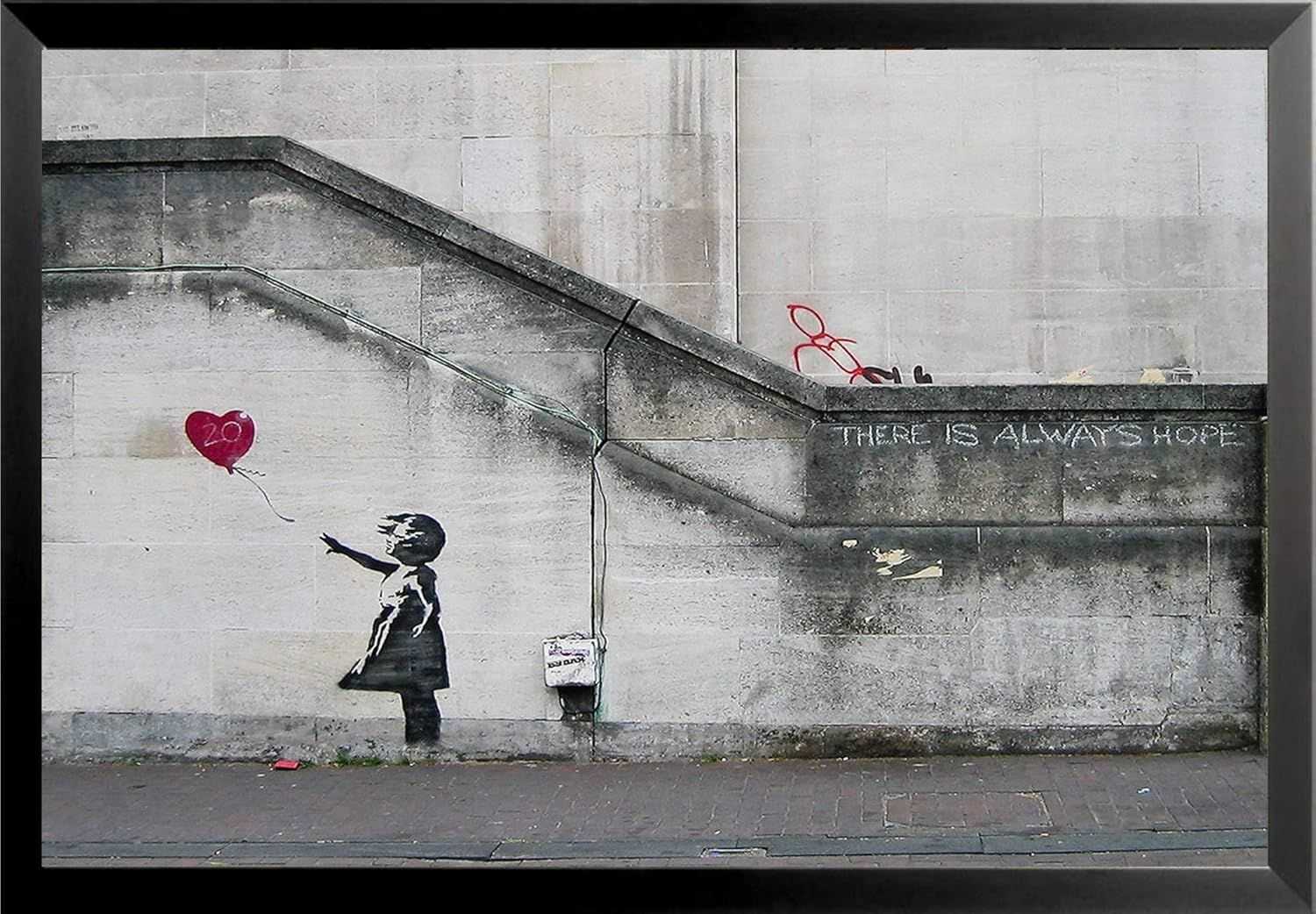 There is Always Hope and Girl with Balloon on London's Waterloo Bridge, 2004 | © Banksy
Influence on other artists
Legitimised street art
Banksy's success legitimised street art for a generation of artists. Artists like Shepard Fairey, Invader, and JR benefited from Banksy's loading of the cultural gun and found wider acceptance through both museums and markets.
A new generation
New street artists are now starting to recognize graffiti as not only protest but potential careers. A shift in the ecology of contemporary art.
A limited edition version of this work is available to buy or sell here on FairArt.
Market
From walls to auction
The "Banksy Effect" changed the art market too. Galleries and auction houses began selling murals and street pieces as valuable items, physically bringing walls to auction.
Accessibility and contradiction
While Banksy critiques commodification, as commodification has deepened through sponsorship and value, street art is both an easily accessible form of protest and high-value collectible that has become part of a dichotomy at the heart of the movement.
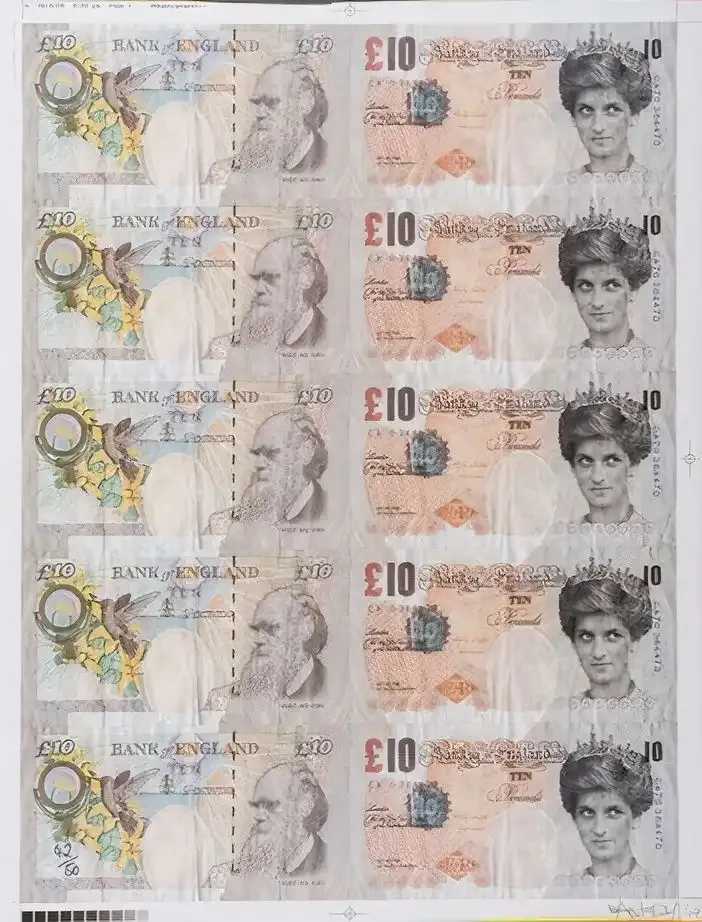 A limited edition version of this work is available to buy or sell here on FairArt.
Permanent change
Thanks to Banksy, street art is no longer confined to underground subcultures, it is part of global popular culture, influencing fashion, advertising, politics, and the art market. Banksy's effect is permanent; street art has become a part of the canon of cultural vernacular in a way that is inescapable.