
The Secondary Market Success Stories: Artists Who Thrived After Resale
Here, we explore notable success stories of artists who thrived after their works gained traction in the secondary market.
The Secondary Market Success Stories: Artists Who Thrived After Resale
For many artists, the idea of their work being resold in the secondary market can be a double-edged sword. While it can signify prestige and demand, it has also traditionally meant that artists see no direct financial benefit from the resale of their works. However, in recent years, some artists have leveraged the secondary market to propel their careers, gain recognition, and, in some cases, even secure financial returns through new resale royalty models. Here, we explore notable success stories of artists who thrived after their works gained traction in the secondary market.
Jean-Michel Basquiat: From Underground to Art Market Phenomenon
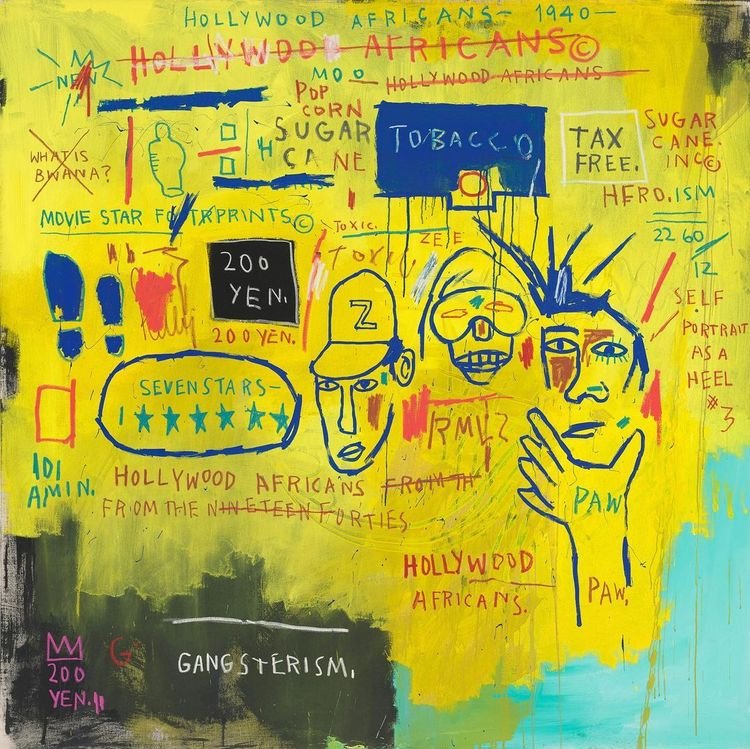
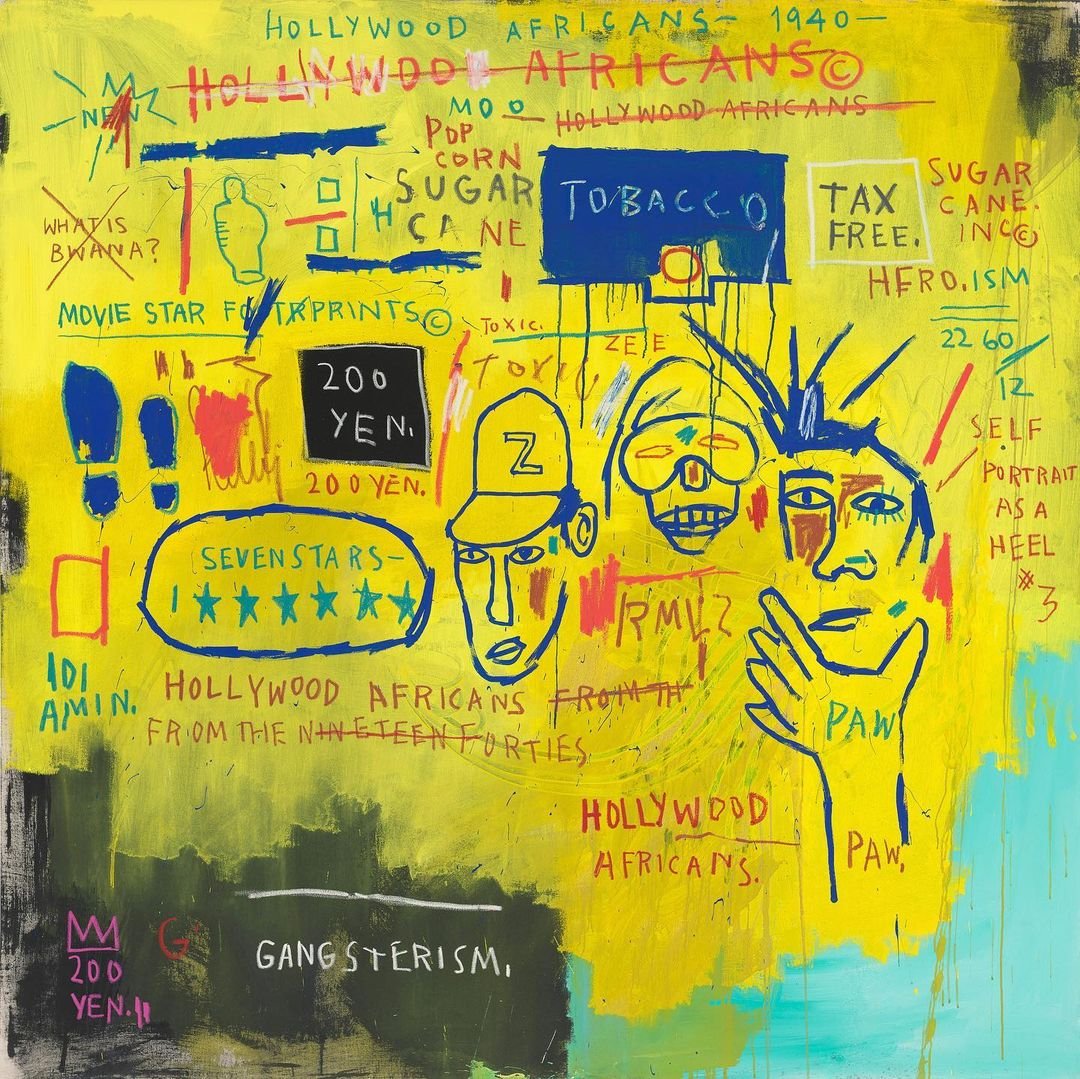
Jean-Michel Basquiat’s meteoric rise from the streets of New York to global art stardom is one of the most compelling stories of secondary market success. In the 1980s, his work was initially undervalued, but after his untimely death in 1988, interest in his paintings skyrocketed. Today, Basquiat is one of the most sought-after artists in the secondary market, with his piece Untitled (1982) selling for $110.5 million in 2017 at Sotheby’s. His posthumous success has cemented his legacy as an icon of contemporary art, inspiring new generations of artists and collectors.
Banksy: The Master of the Secondary Market
Few artists have manipulated the secondary market as masterfully as Banksy. His self-destructing artwork, Love is in the Bin, which was shredded immediately after selling for $1.4 million in 2018, later resold for a staggering $25.4 million in 2021. Banksy’s ability to generate hype and engage with the resale market on his own terms has set a precedent for contemporary artists. His works consistently appreciate in value, with collectors eager to acquire pieces that often carry strong political and social messages.
Kaws: Bridging Street Art and the High-End Market
Kaws, originally known for his graffiti and toy designs, has seamlessly transitioned into the fine art world. His works, once considered niche collectibles, have now found their way into major auction houses, with some paintings and sculptures selling for millions. Kaws’ ability to navigate both the primary and secondary markets has established him as a key figure in contemporary art, with resale values continually increasing due to his wide appeal across different demographics.
Yayoi Kusama: A Market Resurgence
Yayoi Kusama’s journey in the art market has been one of resilience and ultimate triumph. After decades of being overlooked, her market value soared in the 21st century, partly due to strong demand in the secondary market. Her signature polka-dotted works and infinity mirror rooms have become highly collectible, with pieces like White No. 28 selling for $7.1 million at Christie’s. Kusama’s resurgence highlights how an artist’s legacy can be redefined and revitalized through the secondary market.
The Rise of Digital and NFT Artists
With the advent of blockchain technology and NFTs, artists are now able to benefit from resale royalties automatically. Creators like Beeple, who sold his digital collage Everydays: The First 5000 Days for $69 million, have been at the forefront of this transformation. Unlike traditional secondary markets where artists rarely see profits from resales, NFT platforms have enabled them to receive a percentage of every future sale, marking a fundamental shift in how artists can sustain their careers.
How Artists Can Benefit from the Secondary Market
While resale royalties have long been a topic of debate, initiatives like the Artist’s Resale Right (ARR) in Europe have allowed some artists to receive a percentage of secondary sales. Furthermore, platforms and marketplaces prioritizing fair artist compensation, such as Fair Art, are redefining how secondary sales work, ensuring that creators continue to benefit from the growing value of their works.
Conclusion: A New Era for Artists in the Resale Market
The secondary market has historically been a space where collectors, dealers, and auction houses profited the most. However, artists today are finding new ways to leverage this market to their advantage. Whether through increased visibility, strategic engagement with collectors, or innovative resale models, the success stories of Basquiat, Banksy, Kaws, Kusama, and digital artists signal a shift toward a more artist-friendly secondary market. As the landscape continues to evolve, ensuring artists receive fair compensation will be key to a more sustainable and equitable art ecosystem.