
Art Returns Policy: Inspection Windows for Editions
When you buy an editioned print, the last mile matters. An art returns policy defines your inspection window, what you can do during it, and how a return is approved, packed, and refunded. The goal is simple: protect both parties while preserving the artwork’s condition and the evidence that anchors authenticity and value.
FairArt Editorial explains how serious buyers read returns terms, model costs, and keep documentation watertight. Where prices or fees aren’t public, we outline a method to triangulate them.
What is an art returns policy?
An art returns policy is the written set of rules that governs what happens if you need to send a work back after delivery. For editioned prints, it should align with how condition and authenticity are verified.
What a strong policy includes
- Inspection window: a specific number of calendar days from delivery to request a return.
- Condition on return: the work must be in the same state received, with identical packaging geometry.
- Documentation: photos or video taken on unboxing and on repacking, plus a copy of the condition notes.
- Authorization flow: an email or portal approval before dispatching the return, including a return label and RMA.
- Refund method and timing: how and when funds are released after inspection.
- Exceptions: non-returnable scenarios such as custom framing or works sold as-is with disclosed issues.
Why it matters for editions
- Paper works can suffer invisible micro-abrasions, corner compressions, or surface transfer during handling. Clear rules around inspection and repacking reduce disputes.
- Authenticity documentation (COA, invoices, photos) must be handled separately and preserved; losing paperwork can impair value.
How much does it cost today?
Returns carry direct and indirect costs. Expect these ranges and refine using the method below when fees aren’t public.
Typical buyer-paid items
- Return shipping: 40 to 200 USD for flat packs via courier; 120 to 400 USD for double-tubed international rolls; 300 to 1,200 USD for framed works or crates depending on size and distance.
- Insurance: 1 to 2 percent of declared value for courier shipments; carrier minima may apply.
- Restocking fees: 0 to 15 percent of the artwork price, usually waived if the return is due to a seller error or undisclosed condition issue.
- Packaging replacement: 25 to 200 USD if original packaging is missing or damaged and must be rebuilt for safe transit.
Hidden deltas to model
- Payment processor fees that aren’t refunded to the seller can be netted from the refund.
- Brokerage, duties, and VAT on cross-border shipments may be nonrefundable or require separate reclaim processes.
How to triangulate when fees aren’t listed
- Request a fee schedule in writing. Ask the seller to specify return shipping method, insurance responsibility, restocking percentage, and refund timing.
- Normalize geometry. Price a return on the same outer dimensions and packing standard used for delivery.
- Compare lanes. Get a courier quote and a fine art carrier quote so you can weigh cost versus risk.
- Convert to net-to-wallet. Add return shipping, insurance, restocking, taxes, and payment fees to understand your true exposure.
- Align with asset value. Spend more on protective return packing for scarce, high-liquidity editions; it is cheaper than conservation.
FairArt can benchmark return costs against recent transactions and help you structure terms that protect condition without friction.
How to verify authenticity and COA within the inspection window
A return policy is only as good as your documentation. Use the inspection window to lock down the evidence that supports authenticity and condition.
Fast workflow on delivery day
- Film the unboxing. A single, continuous video captures seal integrity, packaging layers, and the state of the print as first seen.
- Photograph in raking light. Shoot the front, verso, all corners, signatures, edition numbers, blindstamps, and any watermarks.
- Match paperwork. Confirm the COA identifies the exact edition number, medium, dimensions, and year. Check invoice details against the object.
- Preserve the original COA. Never tape the original COA to a frame or shipper. Store it separately; use a copy for any return.
- Log measurements. Record sheet and image sizes to the millimeter; note any frame specs if the work arrived framed.
- Report discrepancies immediately. If anything is off, notify the seller in writing within the inspection window and include your media set.
FairArt can mediate this evidence capture and maintain a secure dossier that strengthens claims and protects resale value later.
What affects value and condition during returns
Your handling choices inside the inspection window can either preserve or erode value.
Risks to avoid
- Inadequate repacking. A print returned in looser or thinner packaging is likely to get corner damage or creases; this can shift liability to the buyer.
- Rolling unsuitable prints. Varnished, foil, or heavy-ink prints should not be rolled; they can block-transfer or scuff.
- Glazing contact on framed works. Replace standard glass with acrylic or add a glass-protection skin before return transit.
- Tape residue. Do not use brown parcel tape or adhesives directly on art-facing materials.
Signals that preserve value
- Identical packing geometry. Recreate the original packing layers and air gaps.
- Full media log. Before-and-after photo sets with raking light plus sealed-package shots strengthen your position.
- COA separation. The original COA remains safe; only copies travel.
- Clean chain of custody. Tamper-evident seals, tracking numbers, and named receivers reduce ambiguity.
Where to buy safely
Safer venues publish returns policies and honor inspection windows without drama. Look for
- Clear, written returns terms with exact windows, restocking rules, and packing standards
- Specific condition notes and high-resolution imagery before purchase
- Insured, trackable shipping and the option to hold funds pending inspection
- Named contacts and response-time commitments
FairArt lists verified works from sellers who meet these standards and can coordinate third-party inspections on request. If you want a live check of a seller’s policy against best practice, contact our team.
How to decide: a 5-minute returns policy checklist
Confirm each line before you wire funds.
- Inspection window length in calendar days and how to notify within it
- What counts as acceptable handling during inspection and what voids eligibility
- Exact repacking standard and whether original packaging is required
- Who pays for return shipping and insurance, and how the label is issued
- Restocking fee rules and exceptions for undisclosed defects
- Refund timing and whether payment processor fees are netted
- COA and paperwork handling rules
- Cross-border duties and VAT treatment on returns
- Contact details and escalation path if a dispute arises
If two or more items are unclear, pause and ask the seller to amend the policy in writing before purchase.
Frequently asked questions
How long is a typical inspection window for editions?
Common windows range from 3 to 14 calendar days from delivery. For international shipments, ask for a window that starts at delivery, not dispatch, to allow for customs delays.
Are restocking fees standard?
They exist but are often waived for seller error or undisclosed condition issues. Expect 0 to 15 percent; get the percentage and criteria in writing.
Can I frame during the inspection window?
Avoid irreversible actions. If you must test a frame, do not seal the build, and keep all original packing; otherwise, you may void eligibility.
Should I send the original COA back with the artwork?
No. Keep the original COA in archival storage unless the return is final and authorized. Use a copy for any interim documentation.
What if the seller’s return label underinsures the package?
Ask for explicit declared value coverage or use your own insured label with written approval. Keep all receipts and tracking.
Who pays for customs on returns?
Depends on the venue and policy. Some sellers support duty drawback; others do not. Clarify before purchase and document country-of-origin codes and tariff numbers.
Summary you can act on now
- Secure the inspection window in writing with clear repacking and refund rules.
- Capture a complete media set on delivery day and match object to paperwork immediately.
- Model return exposure as a net-to-wallet number before you buy.
- Repack to the original geometry and insure door-to-door if you return.
- Prefer sellers who publish clear policies and respond fast; FairArt can help pressure-test terms and provide templates.
FairArt maintains verified listings and can coordinate third-party inspection and insured logistics so your purchase is evidence-led end to end.
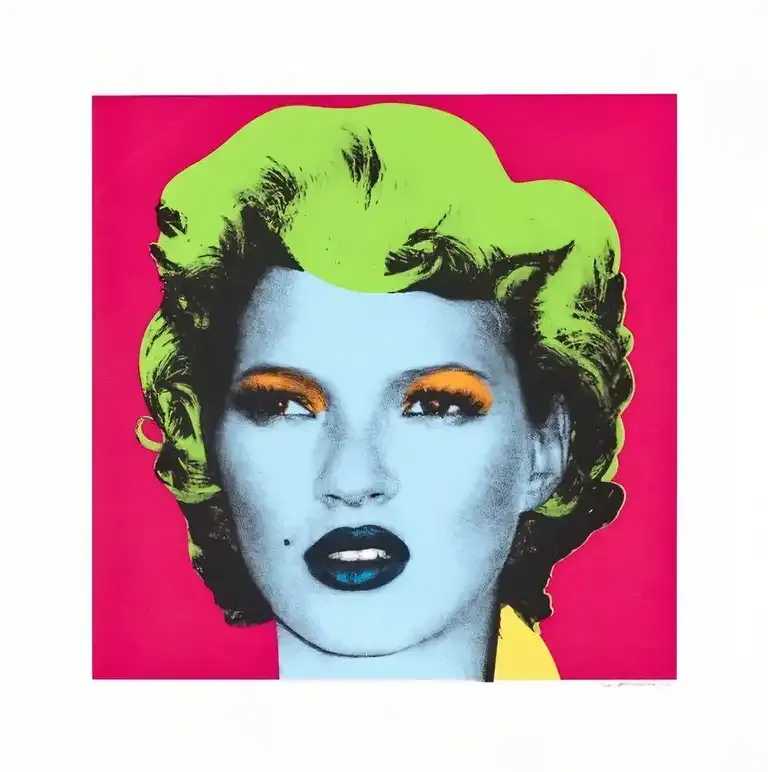 Banksy, Kate (Red, Lime, Green)