
Art as a Gift: Options, Notes, and Express Timelines
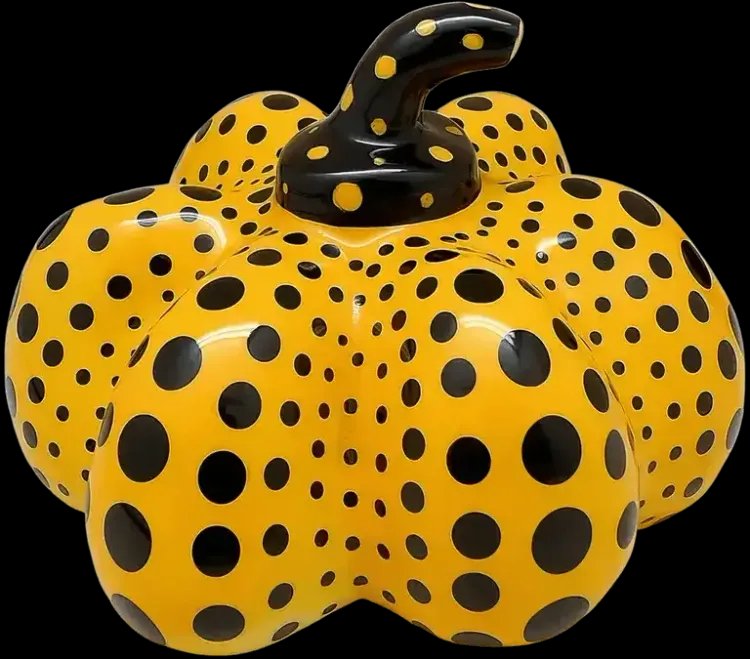
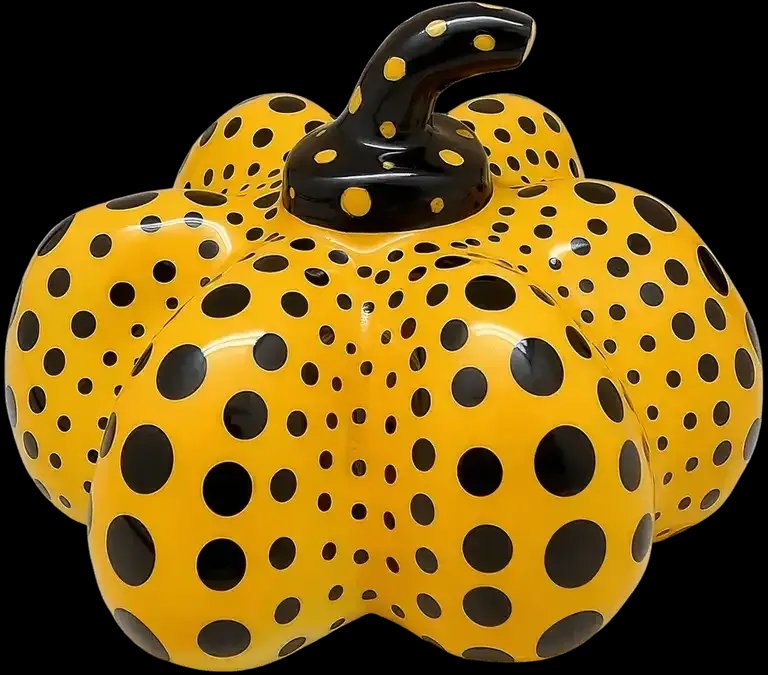
Art as a gift turns a milestone into a story that lasts. A well chosen print can be personal without being predictable, and it can hold value when you protect condition and paperwork from the start. This guide explains what art as gift means in practice, how much it costs today, how to verify authenticity and the COA, what affects value and condition, and where to buy safely. It also gives clear options, gift note tips, and express timelines that actually hold so your delivery lands on the date.
FairArt Editorial focuses on repeatable methods and plain language. For collecting foundations and a shared vocabulary while you compare options, open FairArt Editorial in a tab and refer back as needed.
What is art as gift
Art as gift is a structured process for selecting, documenting, and delivering an artwork that fits the recipient and the moment. The process covers taste and scale, paperwork and photography, shipping and framing, and a presentation plan that respects the object.
Core elements
- The artwork fits the recipient’s space and aesthetic, with a format and palette that will actually hang.
- The paperwork is coherent and specific, including a certificate of authenticity and an invoice that match the object.
- Logistics are insured and realistic, with packaging geometry that protects the surface and a delivery window you can hold.
- Presentation includes a concise gift note and a plan for framing or installation so the reveal feels complete.
Why this matters
- Emotional impact and financial prudence can coexist when you design for both from day one.
- A clean chain of evidence reduces friction for insurance, services, and future resale.
- Timelines and presentation planning avoid last minute compromises that risk the piece.
How much does it cost today
Budget net to door, not just the artwork ask. Your real number includes the artwork, platform or buyer’s premium if relevant, taxes, insured shipping, framing, and any rush or installation services. Use these orientation bands, then refine with like for like comparisons and condition adjustments. Figures are indicative USD and vary by artist, edition, and route.
Orientation bands for gifting a single print
- Entry gifts: artwork in the low four figures plus several hundred for insured shipping and a basic conservation frame.
- Core gifts: mid to high four figures for the artwork; insured shipping plus museum grade framing often bring the total into the low five figures.
- Statement gifts: five figure artworks; shipping, insurance, and framing together can add several thousand more, especially for large formats.
Hidden or timing sensitive costs
- Express handling and rush framing carry premiums.
- Cross border routes can add import taxes, brokerage fees, and extra lead time.
- Re delivery, stairs, after hours, or installation windows may trigger additional charges.
How to estimate when prices are not public
- Match on paper. Align title or near title, technique, sheet size, edition size, and variant state.
- Normalize for condition. Deduct for handling shadows, scuffs, mat burn, cockling, hinge residue, or restoration; add a premium for immaculate surfaces and full margins.
- Convert to net to door. Add premiums or platform fees, tax, insured shipping, and framing so you compare real totals.
- Model a range. Lock a low and high case to budget conservatively and negotiate from facts.
FairArt can share verified ranges for specific editions, explain adjustments in plain language, and coordinate insured logistics so your gift arrives as promised.
Gift options and express timelines
Different occasions demand different logistics. Choose the option that controls risk and meets your date.
Option 1: Ready to ship, unframed print
- When it works: short deadlines; recipient prefers to choose framing locally.
- Timeline: one to five business days to ship domestically once funds clear and documents are ready; add transit time.
- Presentation: include a gift note and a simple framing spec so the recipient can hand this to a trusted framer.
- Add ons: include a framing credit and a short materials note based on our framing guide.
Option 2: Framed and ready to hang
- When it works: the reveal is the moment, and you have at least one to three weeks.
- Timeline: seven to fifteen business days for conservation framing, plus transit.
- Presentation: gift note, pre seal photos, and a simple install plan; schedule delivery to a named receiver.
- Add ons: low reflection UV glazing, reversible hinges, spacer depth that prevents contact, and corner protection in transit.
Option 3: Gift dossier with reservation
- When it works: you found the right edition but cannot deliver by the date.
- Timeline: one to two days to assemble a dossier with high resolution images, condition notes, and a paperwork summary; artwork ships after the event.
- Presentation: recipient opens the dossier with a framed preview printout and hand written note; the work follows with insured shipping.
- Add ons: a calendar card with estimated delivery and framing appointment slots.
Option 4: Commissioned framing experience
- When it works: recipient enjoys process and materials; time is flexible.
- Timeline: two to six weeks depending on glazing choice and framer schedule.
- Presentation: a personalized framing voucher and a design appointment; unveil the unframed artwork together and finalize choices.
- Add ons: include a cleaning kit and a basic care sheet referencing our installation guide.
Gift notes that resonate
- Lead with why you chose the piece, then name the artist, title, and edition number.
- Keep it to three to six lines; sentiment first, facts second.
- Mention the framing plan and delivery details in a short postscript so the moment stays emotional, not administrative.
How to verify authenticity and COA before gifting
Verification is a chain. The object, its inscriptions, and the paperwork must cohere with known edition records. Treat this as a prerequisite. Use the structure in the FairArt Guarantee as your template.
Object record
- Photograph front and verso in even light; include full sheet and margins.
- Add raking light passes to reveal micro scratches, scuffs, gloss disruptions, or lift.
- Measure sheet and image to the millimeter; log them with the images.
Inscriptions and numbering
- Signature: confirm placement and instrument against known examples; pencil line should show natural pressure and flow.
- Edition number: fraction format must match the documented edition size; style and pressure should cohere with the signature.
- Stamps and watermarks: locate publisher or printer blindstamps and any paper watermarks; record positions precisely.
COA and invoice
- The certificate should identify issuer, date, title, technique, paper, sheet size, and the exact edition number.
- The invoice must align with declared value and measurements; currency and decimals should be consistent across documents.
- Reconcile every field. Dimensions and inscriptions must match the COA and the invoice line by line.
Chain integrity and gifting
- Store the original COA separately in archival conditions; send a copy with the gift or frame.
- Keep a digital dossier with images, measurements, invoices, messages, and shipping evidence.
- If you plan a change of address later, ensure documents reflect ownership and location changes cleanly so provenance stays intact.
What affects value and condition when gifting
Risks that move price
- Rolling surfaces that should never be rolled. Glossy, metallic, or heavy ink prints can block transfer or scuff when rolled tight.
- Framing shortcuts. Contact glazing, poor spacers, or pressure sensitive tapes introduce permanent risk and signal cost cutting.
- Glare. High gloss glazing flattens color and photographs poorly; low reflection UV glazing improves daily viewing and listing images later.
- Light and humidity. Unprotected display in bright or unstable rooms causes fade, cockling, and adhesive creep.
- Margin losses and trimming. Short or cut margins reduce framing options and buyer confidence.
Positive signals buyers notice later
- Full margins, immaculate surfaces, and coherent paperwork.
- Conservation framing spec with named materials, spacer depth, and UV target.
- Pre seal and post install photos that document care and geometry.
Aftercare that keeps the gift pristine
- Provide a one page care card: dust with microfiber only, avoid direct sun, keep away from damp rooms.
- If installation is part of the gift, agree on hanging height and spacing in advance using the guidance in our installation guide.
Where to buy safely
A venue is only as safe as its paperwork, image sets, and recourse. Safer sellers publish specifics and respond quickly.
What to expect from a serious seller
- Full sheet front and verso, raking light images, macro close ups of signature, edition number, stamps, and any watermarks.
- Measured sizes to the millimeter; margins visible and untrimmed.
- Paperwork on request: a specific COA and a coherent invoice aligned to declared value and measurements.
- Terms in writing: inspection window, return protocol, insured shipping, and a named receiver.
- Responsiveness and flexibility: additional images and measurements provided on first ask.
What FairArt can do
- Share verified listings and coordinate independent condition reviews.
- Route insured logistics, including express options, and manage conservation framing to spec.
- Prepare a presentation dossier and schedule installation so the reveal lands on time.
If you want to browse artist context and inventory pathways that gift well, see Damien Hirst prints. For buyer steps and recourse expectations, keep our buyers' guide nearby. For insured transit terms, align responsibilities with our shipping guide. For framing materials and geometry, follow our framing guide.
The 5 minute gifting decision checklist
Run this before you pay or promise a date.
- Does the listing show full sheet, raking light, and verso images with macro shots of signature and edition number
- Do measured sizes and margins match the edition record
- Is the COA issuer identified and tied to the exact edition number
- Are condition specifics clear, including any restoration with dates and notes
- Is shipping insured and trackable with a realistic delivery date and a named receiver
- Is the framing plan conservation grade with low reflection UV glazing, adequate spacer depth, and reversible hinges per our framing guide
- Are gift note, presentation dossier, and COA handling plan prepared
- Are return and inspection windows in writing and realistic for transit timelines
- If cross border, have you priced import taxes and broker fees and secured a tariff classification
- Do you have an installation plan or appointment referencing our installation guide
If two or more lines are unclear, pause and fix them before you promise a date.
Frequently asked questions
What does art as gift mean in practice
It means structuring selection, documentation, shipping, framing, and presentation so the moment is personal and the object stays protected. The basics are images, a specific COA, insured logistics, and a clear plan.
How much should I budget for a great gift
Entry gifts begin in the low four figures plus insured shipping and a simple conservation frame. Core gifts sit in the mid to high four figures. Statement gifts reach the five figure range. Always compare net to door totals, not just the artwork ask.
Can I gift a framed piece on a short deadline
Yes, with standard profiles and in stock museum acrylic and a framer who can commit to a slot. Expect one to three weeks depending on size and route, then book an insured delivery window you can hold.
How do I keep the gift a surprise without losing paperwork
Store the original COA separately, include a clean copy with the gift, and maintain a digital dossier with images, measurements, invoices, and shipping evidence. Use neutral descriptions on packing documents.
Is it safer to ship framed or unframed for gifting
Unframed is lighter and often cheaper, but surface sensitive prints may still require flat pack or crate. For framed gifts, protect glazing and crate properly, and confirm insured routes and a delivery appointment through our shipping guide.
What evidence should I ask a seller before I buy
Full sheet, raking light, and verso images; measured sizes; a specific COA; and clear shipping, insurance, and return terms. Keep our buyers' guide open to stay aligned.
Summary you can act on today
- Choose the option that fits your deadline and the recipient’s preferences: ready to ship unframed, framed and ready, dossier with reservation, or a framing experience.
- Verify the object, inscriptions, and COA as a chain; store the original certificate separately and keep a clean digital dossier using our provenance checks.
- Frame to conservation standards and plan insured logistics; align responsibilities and delivery windows through our shipping guide.
- Keep the presentation simple and personal with a concise note, a preview or dossier, and a realistic installation plan referencing our installation guide.
FairArt can shortlist suitable works, coordinate independent condition reviews, and route insured shipping and conservation framing. We can also prepare presentation dossiers and manage installation so your reveal lands on time. For fundamentals and terminology, keep FairArt Editorial open while you plan.
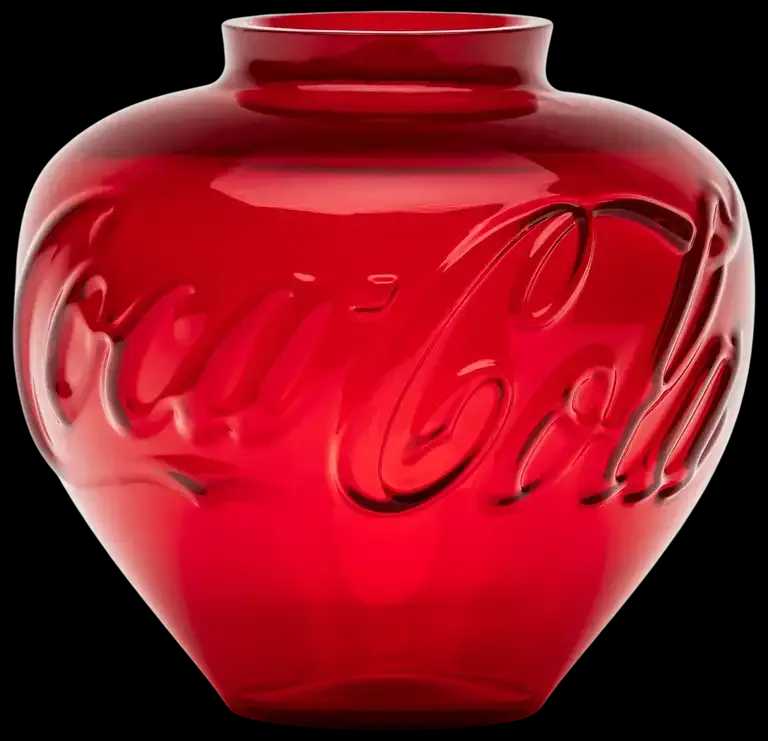 Ai Weiwei, Coca-Cola Glass Vase