Andy Warhol|Flowers (1964–74)
All Flowers (1964–74) Works By Andy Warhol (22)
Significance & Analysis
'Flowers' is the image with which Warhol stepped away from the products and celebrities that had made his name. When the first Flowers paintings went on show at the Leo Castelli Gallery in New York in November 1964, they were a clear departure from the soup cans and film stars, and the exhibition sold out.
An image without a story
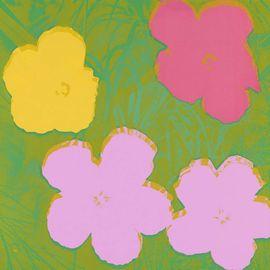
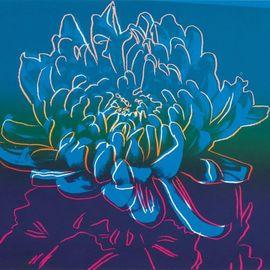
The source was a magazine photograph of hibiscus blossoms against foliage. Warhol cropped it to a square and flattened it into blocks of colour, keeping the flowers and little else. The picture carries no news, no name and no brand, and the series is often read as a study of repetition for its own sake. Some readers also see a memento mori in it, cut blooms made permanent in ink.
The 1970 portfolio
Six years after the paintings, Factory Additions issued the image as ten screenprints, printed in New York by Aetna Silkscreen Products. The colours change from sheet to sheet and seldom resemble a real hibiscus. The Museum of Modern Art in New York acquired a set in the year of publication, the gift of the art dealer David Whitney, with whom Warhol ran Factory Additions.
At auction
Complete sets lead the market. In April 2023 a set numbered 184/250 made $2,349,000 with fees at Christie's New York, the highest price for the portfolio in the last five years.
Before and after
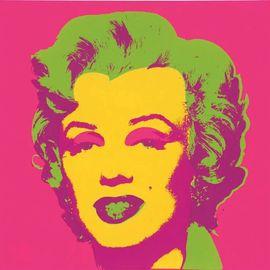
'Flowers' followed 'Marilyn Monroe' (1967) and the two 'Campbell's Soup' sets (1968–69), keeping their format of ten prints from one image while dropping fame and branding altogether. In 1974 Warhol came back to the subject in 'Hand-Colored Flowers', ten screenprints of flowers in vases, trading machine-flat colour for colour applied by hand.
Why Is A 1964 Print Part Of The Flowers Series?
What Are The Edition Details Of The 1970 Flowers Portfolio?
Andy Warhol Series